Blogs
Uvlack: Revolutionary UV-Responsive Coating Transforming Light Interaction


Introduction
In a world increasingly focused on material science and environmental responsiveness, uvlack has emerged as a cutting-edge innovation that blends physics, chemistry, and practical application in a remarkable way. This term may sound unfamiliar to many, yet its implications ripple across industries that interact with sunlight, ultraviolet (UV) radiation, and energy management.
At its core, uvlack is not merely a coating or pigment; it represents an adaptive system that mediates between surfaces and the high-energy spectrum of sunlight, particularly UV radiation. It draws upon advanced research in photonics, material engineering, and surface science to address challenges from degradation to energy efficiency, while opening doors to entirely new applications. As we explore this topic in depth, the layers of how uvlack operates, why it matters, and where it is headed will become clearer.
What Is uvlack
uvlack refers to a class of advanced materials and coatings engineered to interact with ultraviolet radiation in highly controlled ways, either blocking, reflecting, or harnessing UV rays to protect or enhance the surfaces to which they are applied. Unlike traditional coatings that serve passive roles, uvlack systems often exhibit dynamic responses — changing their behavior under varying light conditions or integrating into smart architectural designs that adapt to environmental factors. These coatings are typically developed at the intersection of chemistry and photonic design, giving them unique optical and physical properties that can mitigate UV damage, improve energy performance, or form part of responsive building skins and protective surfaces.
What distinguishes uvlack from simpler UV-blocking materials like sunscreens or static films is its engineered complexity. Materials labeled as uvlack are often developed using advanced polymers, nano-scale additives, or composite layers that respond to UV radiation differently than ordinary coatings. These responses may include physically altering their reflectivity, optimizing for comfort in built environments, or extending material longevity by counteracting UV-induced breakdown. This makes uvlack far more than a pigment — it is a functional interface between light and the engineered world.
The Science Behind uvlack
To understand uvlack deeply, it helps to grasp the fundamental nature of ultraviolet radiation. UV light is a high-energy segment of the light spectrum that is invisible to the human eye but powerful enough to alter chemical bonds, degrade polymers, and initiate photoreactions. Traditional materials left exposed to UV radiation often deteriorate: plastics become brittle, paints fade, and structures degrade over time. Uvlack intervenes in this process through engineered interactions with UV light.
At a molecular level, uvlack coatings incorporate UV-active compounds or structural modifiers that can absorb harmful wavelengths and dissipate their energy harmlessly, or reflect them away from sensitive substrates. In some cases, nanostructured elements within these coatings create interference effects that scatter UV light before it penetrates the surface. This requires a precise understanding of photophysics — how light interacts with matter — and the ability to manipulate material properties at scales far below what the naked eye can see.
Not all uvlack systems work the same. Some rely on organic absorbers that convert UV energy into heat or lower-energy light, while others use inorganic reflectors such as titanium dioxide, silica microspheres, or layered nano-composites that cause destructive interference of UV wavelengths. The engineering challenge is balancing UV protection with other material needs like transparency, durability, adhesion, and environmental stability.
Origins and Evolution of uvlack Materials
The concept of UV-responsive coatings emerged from decades of research into polymer degradation and surface protection. Early efforts in UV protection began with simple additives in plastics and paints, designed to absorb UV light and slow down deterioration. Over time, scientists recognized that controlling UV exposure was vital not just for durability but also for energy performance in buildings and materials.
Scientific interest in UV-active coatings accelerated in the late 20th and early 21st centuries as materials science advanced and nano-technologies became practical. Researchers began to manipulate material structures at microscopic levels, creating coatings that could precisely tailor their interaction with light across visible and UV spectra. These advances extended potential applications beyond protection to areas such as energy modulation, responsive façades, and even aesthetics where light and shadow interplay dynamically.
The term uvlack itself appears to encapsulate this new generation of coatings, integrating UV interaction with advanced material characteristics. Whereas older UV blockers were static and limited, uvlack implies adaptability, engineered performance, and integration with broader material systems.
Practical Applications of uvlack
One of the most tangible applications of uvlack materials is in construction and architecture. Buildings exposed to intense sunlight can suffer from heat buildup, material degradation, and discomfort for occupants. Uvlack can be incorporated into façades, window films, or external coatings to reduce UV penetration, control heat gain, and enhance occupant comfort. Adaptive façade systems using uvlack may even adjust reflectivity or absorption in response to environmental cues.
In the automotive industry, uvlack coatings can protect interior materials like leather, plastics, and fabrics from UV-induced fading and cracking. They also help maintain comfortable cabin temperatures by reflecting a portion of solar UV energy. For surfaces that must remain visually clear, like glass, specialized uvlack films can selectively block UV while allowing visible light transmission, preserving clarity while providing protection.
Another emerging field for uvlack materials is in cultural heritage preservation. Artworks, historical monuments, and museum exhibits are highly sensitive to UV radiation, which can accelerate aging and pigment degradation. Applying uvlack coatings — carefully formulated to be transparent and non-invasive — helps safeguard priceless artifacts while ensuring they remain accessible to the public.
Uvlack also intersects with energy technologies. Solar panels, for instance, benefit when their surfaces are protected from excessive UV stress without reducing efficiency. Specialized uvlack coatings can protect photovoltaic surfaces, extend their operational lifespan, and reduce maintenance costs, especially in harsh environments.
Environmental and Health Benefits
One of the lesser-examined yet significant aspects of uvlack materials is their environmental impact. By reducing the amount of harmful UV radiation that penetrates into indoor spaces, uvlack coatings can decrease air conditioning loads and reduce electrical energy consumption. This contributes to lower greenhouse gas emissions and can improve building sustainability metrics.
Moreover, limiting UV exposure has direct health benefits for individuals. In settings where people are exposed to sunlight for prolonged periods — such as outdoor public spaces, vehicles, or near windows — uvlack reduces the risk of skin damage caused by UV light, including sunburn and long-term cellular damage that contributes to skin aging or cancer.
Challenges and Limitations
Despite its promise, uvlack technology is not without challenges. Engineering coatings that achieve ideal UV performance while preserving aesthetics, structural adhesion, and long-term stability is complex. Many high-performance UV-active compounds are sensitive to weathering, require precise layering techniques, or involve costly raw materials.
Durability is another concern. Coatings exposed to environmental stressors such as rain, abrasion, and temperature fluctuations must maintain their protective qualities over years or decades, which requires rigorous testing and optimization. Furthermore, integrating uvlack into existing manufacturing processes — whether construction, automotive, or consumer goods — demands careful calibration to ensure compatibility with other materials.
Future Innovations and Directions
Looking ahead, research into uvlack materials promises to expand in several exciting directions. Integrating smart responsiveness — where coatings adjust their optical behavior in real time based on environmental conditions — represents a frontier in adaptive materials. Imagine a building façade that becomes more reflective during peak sun hours and more absorptive at dusk to regulate temperature naturally.
Nanotechnology will continue to deepen the capability of uvlack formulations. With better control of nano-scale structures, scientists can develop coatings that selectively block harmful wavelengths while enhancing beneficial light interactions — a balance that could revolutionize energy management and material longevity.
Biomimetic approaches, inspired by how natural systems like plant leaves and insect eyes manage light, could also influence the next generation of uvlack materials. By learning from nature’s strategies for light manipulation, engineers may devise coatings that are more efficient, durable, and environmentally benign than current technologies.
Real-World Impact and Adoption
Beyond research labs and industrial settings, uvlack is gaining traction among architects, materials engineers, and sustainability designers as a practical solution to real-world challenges. Buildings in regions with intense solar exposure are experimenting with uvlack-integrated façades to improve comfort and reduce cooling costs. Automotive manufacturers are increasingly interested in coatings that extend interior material life while improving passenger wellbeing. Cultural institutions are adopting advanced UV protective films that shield artifacts without obstructing visual experience.
This growing adoption highlights a broader trend toward materials that do more than passively exist. Today’s design ethos demands multifunctionality, durability, and responsiveness, and uvlack fits neatly into that paradigm. As more industries recognize the value of advanced light-interactive coatings, the influence of uvlack will likely expand beyond current niches.
Conclusion
uvlack stands at the intersection of science and necessity — a term that encapsulates advanced coatings designed to intelligently interact with ultraviolet light. Far from being a simple pigment or protective film, uvlack represents a class of functional materials engineered for durability, adaptability, and broad applicability. From architectural façades that enhance comfort and sustainability to protective surfaces that extend material life, the potential of uvlack is wide and growing.
As research deepens and technology advances, uvlack is poised to become a staple in modern material science, offering solutions that bridge environmental challenges, human health concerns, and design innovation. Its evolution reflects a broader movement toward smarter, more adaptive materials that align with both ecological goals and human needs.
FAQs
What makes uvlack different from ordinary UV protective coatings?
Uvlack goes beyond simple UV blocking by incorporating advanced material structures and responses that can adapt to environmental light, offering dynamic interaction rather than passive protection.
Can uvlack be applied to any surface?
While uvlack formulations exist for many materials, compatibility depends on the surface type and intended function; custom formulations are often developed for specific applications.
Does uvlack affect visible light or just ultraviolet light?
Many uvlack systems are engineered to selectively target UV wavelengths, preserving visible light transmission for clarity and comfort where needed.
Is uvlack environmentally friendly?
Yes, by reducing heat gain and protecting materials from degradation, uvlack can contribute to energy efficiency and longer product lifespans, which supports environmental sustainability.
Are there indoor applications for uvlack?
Absolutely. Uvlack coatings on windows or interior surfaces can limit harmful UV exposure indoors while maintaining natural daylight.
Read More About Aiscoop.co.uk
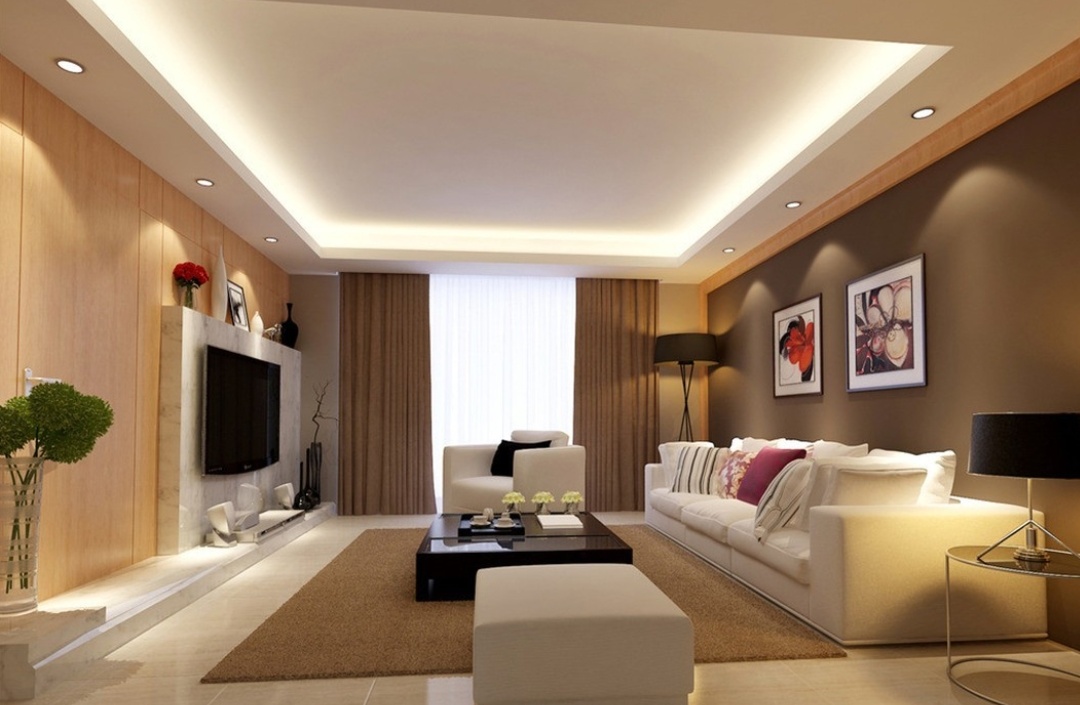
Most homeowners obsess over paint colors, furniture, and flooring—but overlook the one element that ties everything together: light. Professional lighting design doesn’t just illuminate a space; it shapes how a room feels, how colors read, and how comfortably you live in it.
A well-lit home can feel spacious, warm, and intentional. A poorly lit one? Even the most expensive décor falls flat.
Setting the Mood With Light
Light has a direct impact on how we feel. Warm, dim lighting in a living room signals relaxation. Bright, cool lighting in a home office promotes focus. This isn’t just interior design theory—it’s backed by research on how light exposure influences mood and circadian rhythms.
Professional lighting designers understand this instinctively. They choose color temperatures and dimming capabilities that align with how each room is actually used, creating spaces that feel right without you quite knowing why.
The Art of Layering Light
One of the most important principles in lighting design is layering—combining three distinct types of light to create depth and flexibility.
- Ambient lighting forms the base layer, providing general illumination across a room.
- Task lighting focuses on specific areas where activities happen—a reading nook, kitchen counter, or bathroom vanity.
- Accent lighting adds drama, drawing attention to artwork, architectural details, or textured surfaces.
Most DIY lighting setups rely on a single overhead fixture, which creates flat, unflattering light. Layering changes everything. It gives you control, atmosphere, and versatility—all in one thoughtfully designed system.
Highlighting Your Home’s Best Features
Great lighting design knows when to step back and let the architecture speak. Recessed spotlights can graze a textured stone wall to emphasize its depth. Cove lighting softens a vaulted ceiling. Under-cabinet strips make a kitchen feel high-end without a renovation.
These aren’t tricks reserved for showrooms or luxury builds. With the right placement and fixture selection, a professional can transform an ordinary hallway or living room into something that genuinely impresses.
Smart Tech and Energy Efficiency
Modern lighting design has moved well beyond switches and dimmers. Smart lighting systems—like those from Lutron, Philips Hue, or LIFX—let you control every fixture from your phone, set automated schedules, and adjust color temperature throughout the day.
Beyond convenience, these systems are genuinely energy-efficient. LED technology combined with smart controls can reduce lighting energy use by up to 75% compared to traditional incandescent bulbs. For homeowners thinking long-term, that’s a meaningful return on investment.
A good lighting designer will spec fixtures and systems that balance aesthetics with efficiency, so you’re not choosing between a beautiful home and a sensible energy bill.
The Ultimate Home Upgrade
Renovations and redesigns often focus on what’s visible—new tiles, fresh paint, updated cabinetry. But lighting design quietly underpins all of it. Get it right, and every other element in your home looks better. Get it wrong, and no amount of styling will compensate.
Investing in professional lighting design is one of the highest-value decisions a homeowner can make. It doesn’t require tearing down walls or replacing furniture. It requires expertise, intention, and an understanding of how light shapes human experience.
If you’re ready to see your home in a new light, consulting a professional lighting designer is a logical first step. The difference, once you experience it, is hard to unsee.

Most of us spend our days on concrete floors, in rubber-soled shoes, rarely touching the earth beneath us. It’s a subtle shift that’s happened gradually over generations—and one that may be affecting how our bodies manage stress.
Grounding (also called earthing) is the practice of making direct physical contact with the earth’s surface. It sounds almost too simple. But a growing body of research suggests this connection may play a real role in how calm—or how wired—we feel.
The Science Behind Grounding
The earth carries a mild negative electric charge. When your bare skin touches the ground, free electrons from the earth’s surface are absorbed into your body. These electrons act as natural antioxidants, neutralizing positively charged free radicals that contribute to inflammation and oxidative stress.
From Fight-or-Flight to Rest-and-Digest
When you’re stressed, your autonomic nervous system activates the sympathetic branch—the one responsible for fight-or-flight responses. Heart rate climbs. Muscles tense. Cortisol surges. Your body is ready to react.
Grounding appears to activate the opposing branch: the parasympathetic nervous system. This is your rest-and-digest mode. Breathing slows. Digestion resumes. The body stops bracing for impact.
Research suggests that the electron transfer from grounding helps reduce the electrical “noise” in the body, allowing the nervous system to settle. The result is a measurable shift in how the body responds to everyday stress.
Key Health Benefits of Grounding
Regular grounding practice has been linked to several concrete health improvements:
- Better sleep: Studies show that grounding normalizes cortisol levels overnight, helping the body follow its natural circadian rhythm more closely.
- Reduced inflammation: By neutralizing free radicals, grounding may lower markers of chronic inflammation—a root cause behind many long-term health conditions.
- Lower cortisol: Participants in grounding studies have shown more normalized 24-hour cortisol profiles, which means less of the stress hormone circulating at the wrong times.
- Improved mood: Many people report feeling calmer and more centered after even short grounding sessions, likely tied to nervous system regulation.
Simple Ways to Practice Grounding Daily
You don’t need equipment, a gym membership, or much time. Here’s how to make grounding a realistic habit:
- Walk barefoot outside: Grass, sand, and soil all conduct electrons well. Even 20–30 minutes a day can make a difference.
- Garden with your hands: Digging in soil creates direct skin-to-earth contact—and has the added bonus of being genuinely enjoyable.
- Sit or lie on the ground: Reading outside on the grass counts. The contact doesn’t have to be active.
- Swim in natural water: Lakes, rivers, and the ocean all provide conductive grounding surfaces.
Concrete and asphalt don’t conduct electrons effectively, so aim for natural surfaces when you can.
A Natural Tool Worth Rediscovering
Grounding isn’t a cure-all. But as a low-effort, zero-cost addition to a wellness routine, it has real merit. The science points to genuine physiological shifts—from calmer nervous system activity to reduced inflammation and better sleep quality.
For something as simple as taking your shoes off and stepping outside, that’s a compelling case. Your body evolved in contact with the earth. Returning to that connection, even briefly, may be one of the quietest and most effective things you can do for your stress levels.
Introduction
Human movement appears effortless on the surface. Walking across a room, lifting a cup, or maintaining balance while standing all seem automatic. Behind these simple actions lies a highly complex communication system between the brain, nerves, and muscles. When this system is disrupted by injury, neurological disease, or developmental conditions, even routine movements can become challenging. Rehabilitation science has developed specialized approaches to rebuild these connections, and one of the emerging names in this space is kinervus.
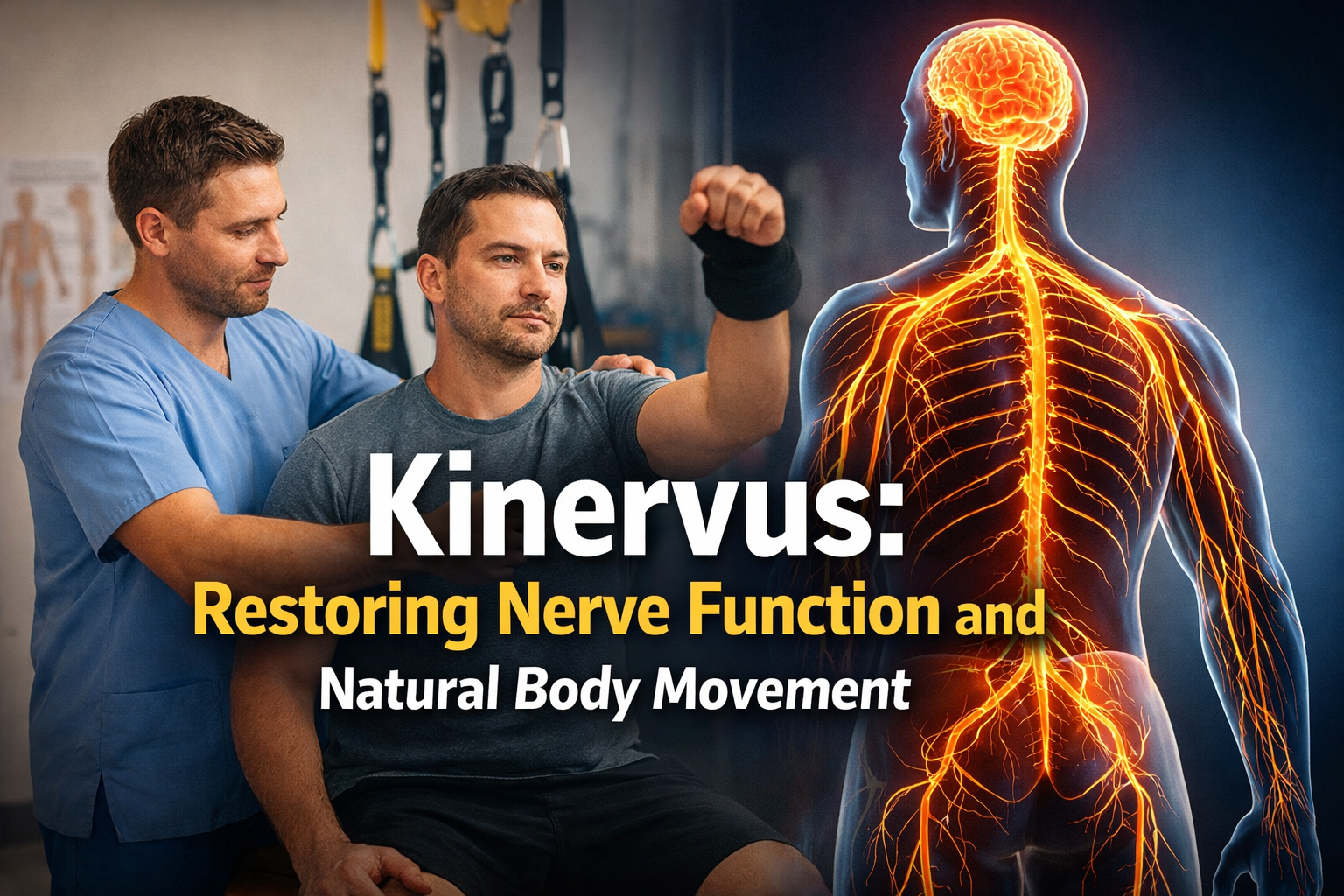
Kinervus represents a focused approach to physiotherapy and neurological rehabilitation that emphasizes the relationship between the nervous system and physical movement. Instead of treating symptoms alone, this model aims to restore the underlying communication pathways between nerves and muscles. By combining structured physiotherapy, neurological expertise, and patient-specific rehabilitation plans, kinervus seeks to help individuals regain functional independence and improve quality of life.
In modern healthcare, rehabilitation is no longer limited to post-injury recovery. It now includes prevention, neurological support, pediatric care, and long-term management of chronic conditions. Kinervus reflects this broader shift by offering therapies designed not only to repair damage but also to rebuild confidence in movement and daily activity.
What Is Kinervus
Kinervus is a specialized physiotherapy and rehabilitation practice focused on neurological, pediatric, and musculoskeletal care. It operates on the principle that effective movement depends on clear communication between the brain, the nervous system, and the body’s muscles. When this communication is disrupted, individuals may experience weakness, loss of coordination, pain, or reduced mobility.
The name itself reflects this philosophy. The first part of the word derives from “kine,” related to movement or kinesiology, while “nervus” refers to the nervous system. Together they symbolize the integration of movement science with neurological understanding. Kinervus therefore represents a therapeutic approach centered on restoring neural control over physical motion.
The practice is known for providing individualized rehabilitation programs rather than standardized therapy routines. Each patient receives a tailored treatment plan based on their medical history, current limitations, and long-term goals. This personalized structure is designed to improve not only immediate symptoms but also long-term functional independence.
Kinervus is associated with professional physiotherapy services in Belgium, where it focuses particularly on neurological rehabilitation, pediatric therapy, and manual lymphatic drainage. These services are delivered by trained therapists who specialize in restoring movement after neurological injury or illness.
The Philosophy Behind Kinervus Rehabilitation
The core philosophy of kinervus rests on a simple but powerful principle: movement problems often originate from disrupted nerve communication rather than from muscles alone. Traditional rehabilitation sometimes concentrates primarily on strengthening muscles. Kinervus approaches recovery differently by addressing the neurological pathways that control those muscles.
This perspective aligns with modern neuroscience research on neuroplasticity. Neuroplasticity refers to the brain’s ability to reorganize itself by forming new neural connections. After injury or disease, the brain can adapt by building alternative pathways that restore lost functions. Rehabilitation strategies based on this concept encourage repeated, targeted movements that help the nervous system relearn how to control the body.
Kinervus therapy sessions typically involve structured exercises designed to retrain coordination, balance, and strength. Over time, these repeated movements reinforce neural signals and gradually improve motor control. The aim is not just to reduce symptoms temporarily but to rebuild the brain-body connection that enables sustainable recovery.
This philosophy also emphasizes patient involvement. Recovery depends heavily on active participation rather than passive treatment. Patients are encouraged to understand their condition, practice exercises consistently, and develop habits that support long-term neurological health.
Neurological Rehabilitation in Kinervus
One of the defining aspects of kinervus is its focus on neurological rehabilitation. Neurological disorders can disrupt the nervous system’s ability to send accurate signals to muscles, leading to difficulties in movement, coordination, and sensation. These conditions often require specialized rehabilitation strategies beyond conventional physiotherapy.
Kinervus therapies are designed to help patients recover or compensate for neurological impairments. Conditions such as stroke, multiple sclerosis, spinal cord injury, and Parkinson-related movement disorders often benefit from targeted neurological physiotherapy.
During treatment, therapists carefully analyze a patient’s movement patterns. They identify which neural pathways may be weakened or disrupted and design exercises that encourage the brain to rebuild those pathways. Gradual progression is essential. Early sessions may focus on simple movements or balance exercises, while later stages involve more complex tasks that mirror real-life activities.
This structured progression allows patients to regain confidence in their bodies. Many individuals recovering from neurological conditions experience fear of movement because of instability or weakness. Kinervus rehabilitation addresses this psychological barrier by gradually reintroducing controlled movement in a safe environment.
Pediatric Rehabilitation and Developmental Support
Kinervus also plays an important role in pediatric rehabilitation. Children with developmental delays or neurological conditions often require early intervention to improve mobility, coordination, and overall physical development.
Unlike adult rehabilitation, pediatric therapy focuses on supporting the natural development of movement patterns. Children learn through play, exploration, and repetition. Kinervus therapists therefore incorporate child-friendly exercises that encourage movement while maintaining engagement and motivation.
Early therapy can significantly influence long-term outcomes for children with neurological conditions. By strengthening neural pathways during critical developmental stages, rehabilitation helps children build skills necessary for everyday activities such as walking, balancing, and interacting with their environment.
Parents are typically involved in the therapeutic process as well. They receive guidance on exercises and activities that can be practiced at home, ensuring that rehabilitation continues beyond the clinical setting.
Techniques and Therapies Used in Kinervus
The kinervus approach integrates several physiotherapy techniques designed to improve nerve function and movement control. Each therapy is selected based on the patient’s condition and rehabilitation goals.
Manual therapy is commonly used to relieve pressure on nerves and improve joint mobility. Gentle manipulation of muscles and tissues can reduce tension, improve circulation, and allow nerves to function more effectively.
Targeted exercise therapy forms the foundation of most rehabilitation programs. These exercises focus on strengthening specific muscle groups while retraining coordination and balance. Repetition plays a crucial role because it encourages the nervous system to form new neural connections.
Manual lymphatic drainage is another specialized therapy offered in kinervus rehabilitation settings. This technique helps reduce swelling and improve fluid circulation in the body. By decreasing pressure on surrounding tissues, lymphatic drainage can indirectly support nerve recovery.
Kinesiology taping may also be used to provide additional support during movement. This flexible tape helps stabilize muscles and joints while allowing natural motion, enabling patients to practice exercises with greater confidence.
Together, these therapies create a comprehensive rehabilitation system designed to address both neurological and physical aspects of recovery.
Conditions Commonly Treated Through Kinervus
Kinervus rehabilitation programs address a wide range of conditions that affect the nervous system and musculoskeletal movement. Neurological disorders represent one of the primary areas of treatment. Patients recovering from strokes often require therapy to regain balance, coordination, and limb function.
Chronic nerve pain conditions such as neuropathy or nerve compression syndromes may also benefit from structured rehabilitation. These conditions can cause symptoms such as tingling, numbness, burning sensations, or weakness.
Post-surgical rehabilitation is another area where kinervus therapy can be valuable. After certain surgeries, nerves and muscles may require retraining to restore normal movement patterns.
Musculoskeletal injuries also fall within the scope of kinervus treatment. Sports injuries, repetitive strain conditions, and chronic joint problems can all affect the communication between nerves and muscles.
The goal across these conditions is not merely to relieve pain but to restore functional movement so that patients can return to their normal daily activities.
The Role of Prevention in the Kinervus Model
A notable aspect of kinervus philosophy is its emphasis on prevention and long-term wellness. Many nerve-related conditions develop gradually due to lifestyle factors such as repetitive movements, poor posture, and prolonged sitting.
Modern work environments often require extended periods of desk work or computer use. These habits can strain the neck, shoulders, wrists, and lower back, placing pressure on nerves. Over time, this pressure can lead to chronic discomfort or reduced mobility.
Kinervus rehabilitation programs frequently include educational components that help patients understand these risks. Therapists provide guidance on posture, ergonomic adjustments, and movement routines that reduce strain on the nervous system.
Preventive strategies may include stretching routines, strengthening exercises, and awareness of body mechanics during daily activities. By addressing these factors early, individuals can reduce the likelihood of developing more serious neurological or musculoskeletal issues later in life.
Why Kinervus Stands Out in Modern Rehabilitation
The growing recognition of kinervus reflects broader changes in rehabilitation science. Healthcare professionals increasingly understand that successful recovery requires a combination of neurological knowledge, physical therapy expertise, and patient engagement.
Kinervus stands out because it integrates these elements into a cohesive rehabilitation model. Instead of focusing solely on physical symptoms, the approach considers how the brain and nervous system control movement.
Another distinguishing feature is its commitment to personalized treatment. Every patient experiences neurological conditions differently, even when diagnoses are similar. Individualized therapy ensures that rehabilitation addresses each person’s unique challenges and goals.
The practice also emphasizes long-term recovery rather than quick fixes. Sustainable improvement requires time, consistent practice, and gradual progress. Kinervus therapy programs are designed to support this process through structured guidance and continuous monitoring.
Conclusion
Kinervus represents a modern perspective on physiotherapy and neurological rehabilitation. By focusing on the relationship between the nervous system and physical movement, it offers a structured path for individuals recovering from neurological disorders, injuries, and chronic mobility issues.
The approach emphasizes personalized therapy, evidence-based rehabilitation techniques, and active patient participation. Through targeted exercises, manual therapies, and neurological training, kinervus aims to rebuild the communication pathways that allow the brain and body to function together effectively.
In an era where sedentary lifestyles and neurological conditions are increasingly common, rehabilitation strategies like kinervus provide an important framework for restoring mobility and independence. Rather than treating movement problems as isolated symptoms, the kinervus model recognizes that true recovery begins with restoring the brain-body connection that makes movement possible.
FAQs
1. What is kinervus used for?
Kinervus is used for physiotherapy and rehabilitation focused on improving movement and nerve function. It helps individuals recover from neurological disorders, injuries, and mobility limitations.
2. Is kinervus a clinic or a therapy method?
Kinervus is primarily a specialized physiotherapy practice that follows a rehabilitation philosophy centered on the connection between nerves and movement.
3. What conditions can kinervus help treat?
Kinervus therapy can support recovery from stroke, neurological disorders, nerve injuries, chronic pain conditions, and certain musculoskeletal problems.
4. Does kinervus therapy require a doctor’s referral?
In many healthcare systems, physiotherapy services may require a referral from a physician, although this depends on local regulations and healthcare policies.
5. How long does kinervus rehabilitation usually take?
The duration varies depending on the condition and severity of nerve damage. Some patients notice improvements within weeks, while others may require several months of consistent therapy.

fsi blogs us: Inside Global Finance Security Insights HubPro

Tiffany Pesci: Inside the Private Life Behind Fame World Arc

mila volovich Uncovering a Quiet Cultural Influence Today!
Shivon Zilis Net Worth Revealed — A Deep Dive into Her Financial Success

Discovering Claire Froggatt: A Journey of Passion, Purpose, and Success