Celebrity
The Magnetic Rise of Mickey Rourke: A Look Back at His Early Years


Introduction
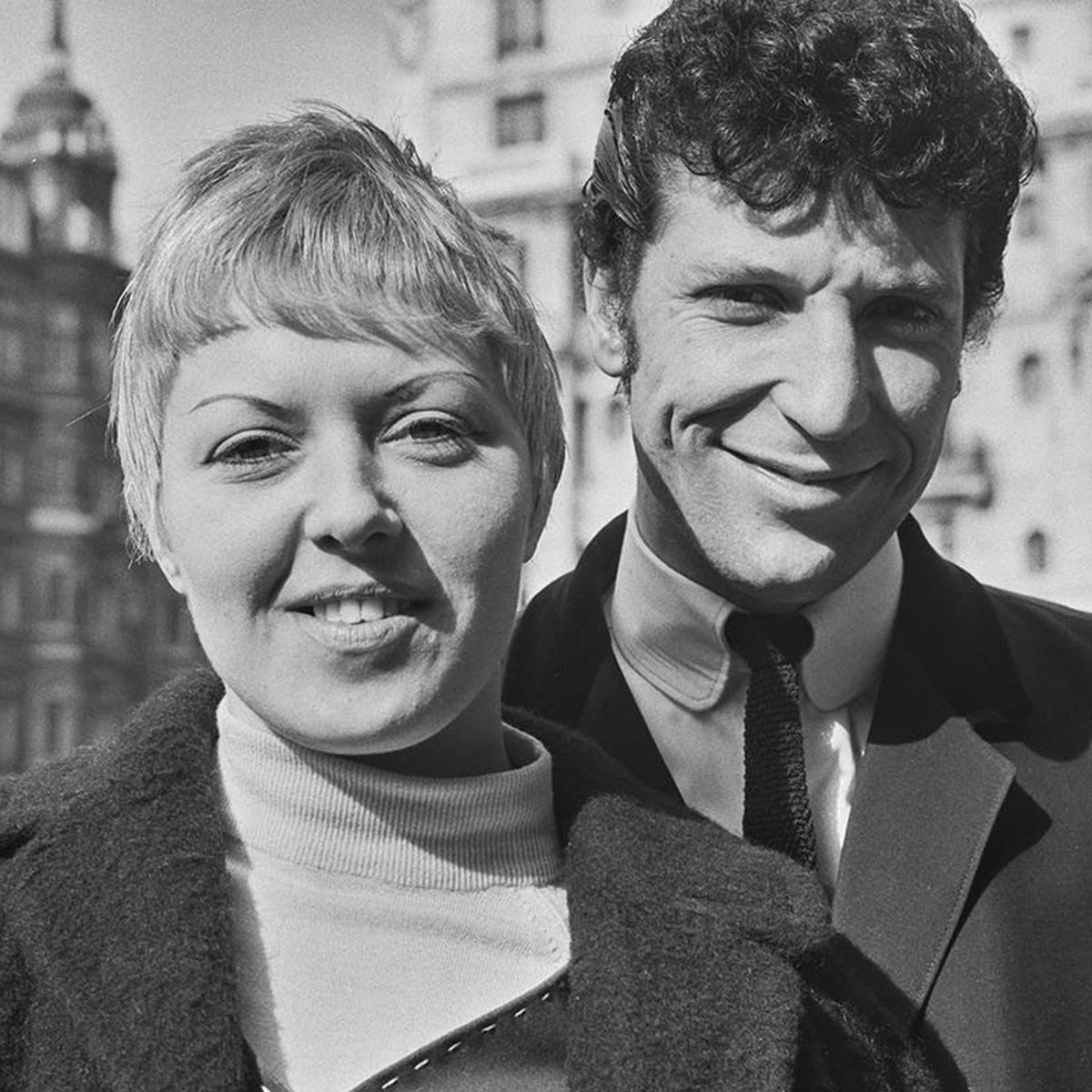
Before he became one of Hollywood’s most intriguing comeback stories, Mickey Rourke was already a legend in the making. His early years were packed with passion, grit, and a rare kind of star quality that left both audiences and filmmakers wanting more. Looking at Mickey Rourke young, you find a performer who broke the mold—effortlessly mixing sensitivity with danger, charm with rebellion, and talent with mystery. His rise wasn’t simply the result of good looks or screen presence; it was fueled by his intense commitment to craft and a life shaped by both struggle and ambition.
During the 1980s, Rourke quickly became the face of a new generation of actors—those who preferred realism over polish, emotion over technique, and authenticity over Hollywood perfection. His early roles still resonate strongly today, because they capture a performer who seemed to understand human complexity at a level far beyond his years. Exploring the story of Mickey Rourke young offers a fascinating look at how a gifted, misunderstood, and fiercely dedicated artist transformed himself into an icon who continues to influence actors and filmmakers around the world.
The Early Life That Built an Icon
A Childhood Filled with Challenges and Creativity
Mickey Rourke’s early years were far from glamorous. Born in Schenectady, New York, and raised in Miami, he came from a family life marked by hardship, instability, and emotional conflict. These experiences shaped his sensitivity and toughness—two qualities that later defined his performances. The anger, vulnerability, and depth seen in Mickey Rourke young didn’t come from acting school alone; they were rooted in real pain and real experiences that gave his characters rare emotional truth.
Sports eventually became an escape. Rourke discovered boxing as a teenager, a discipline that taught him focus, endurance, and courage. Even though acting would become his calling, the mental and physical resilience developed in the ring followed him throughout his life. The controlled aggression, the expressive intensity, and the fierce independence of his screen presence can be traced directly back to those early days in boxing gyms across Miami.
People also like this: Tacoma Simmons: The Untold Story Behind a Private Yet Influential Music Talent
From Amateur Boxer to Budding Actor
In his late teens, Rourke shifted from boxing to acting after suffering injuries that made continuing his boxing career difficult. He began studying at HB Studio in New York, one of the most respected acting schools in the country. Unlike many young actors, his goal wasn’t fame—it was expression. He wanted to explore the human condition, understand emotion, and find meaning in storytelling.
This commitment attracted attention quickly. Teachers recognized his unusual talent, casting directors saw potential, and soon enough, Rourke started landing small roles in film and television. These early performances showcased the raw, electrifying energy that would later make Mickey Rourke young a Hollywood sensation.
Breaking Through: The Roles That Made Mickey Rourke a Star
“Diner” (1982): The Arrival of a New Leading Man
Barry Levinson’s “Diner” marked the moment the industry realized it had discovered someone special. Rourke’s portrayal of the smooth, mysterious, emotionally layered character Boogie stole the spotlight—even though he wasn’t the lead. Critics praised his nuance, timing, and natural charisma. Audiences immediately connected with him. Without trying, he became the standout performer in a strong ensemble cast.
This was the performance that launched countless magazine features, studio offers, and fan obsessions. The world saw Mickey Rourke young as a refreshing change from the polished heartthrobs of the time. He was unpredictable. He was real. He was unforgettable.
“Rumble Fish” (1983): The Cult Favorite
Francis Ford Coppola’s “Rumble Fish” further cemented Rourke’s early reputation. Playing the quiet, mystical Motorcycle Boy, he delivered a haunting performance that blended wisdom and sadness in a way only he could. The role became one of his most beloved early characters and remains a cornerstone for fans and critics exploring Mickey Rourke young and his artistic peak.
The film’s unique visual style paired perfectly with Rourke’s aura. His character didn’t need many lines; his presence alone told the story.
“9½ Weeks” (1986): The Sex Symbol Era
By the mid-1980s, Rourke had become a cultural phenomenon. “9½ Weeks” pushed him into global superstardom, transforming him into a romantic and erotic icon. But unlike typical Hollywood heartthrobs, he brought emotional complexity to the role. Viewers were captivated by the combination of danger, desire, and emotional depth he portrayed on screen.
This was the version of Mickey Rourke young that magazine covers, fashion designers, and fans around the world couldn’t get enough of.
What Made Mickey Rourke Stand Out in Hollywood
A New Kind of Masculinity
At a time when Hollywood preferred clean-cut, traditionally heroic leading men, Rourke introduced something entirely different. His masculinity was layered—confident yet vulnerable, tough yet wounded. Directors loved working with him because he delivered unpredictable, deeply human performances. Viewers loved him because he felt real.
Method Without Pretension
Rourke took acting seriously, but he didn’t brag about technique or approach. He simply committed. He dove into his characters with the same intensity he once brought to boxing. This authenticity made his performances timeless. Even today, younger actors study Mickey Rourke young to understand how to deliver emotion that feels organic and unforced.
A Rebel Spirit That Made Him Irresistible
Hollywood loves rebels, and Rourke embodied the role naturally. He wasn’t afraid to challenge directors, push boundaries, or take risks in his career. While this sometimes hurt him professionally, it also helped shape his early mystique. He became someone audiences admired not just for his talent, but for his individuality.
How Mickey Rourke Influenced a Generation
Changing Acting Styles
Rourke helped usher in a new style of acting—one that valued emotional intensity over perfection. His early performances influenced major actors like Johnny Depp, Brad Pitt, and Nicolas Cage. Many have publicly said they looked up to him, especially during his prime.
Shaping Hollywood’s View of Antiheroes
Before antiheroes became mainstream, Mickey Rourke was already portraying characters who were flawed, conflicted, and deeply human. This shift opened doors for richer storytelling across film genres. To understand how modern Hollywood views complex male characters, you have to look back at Mickey Rourke young and the groundwork he laid.
Fashion and Cultural Impact
Rourke’s style—messy hair, leather jackets, layered jewelry, and effortless cool—became iconic. Designers and photographers loved him. Fans copied him. The fashion industry saw him as a muse, not just an actor.
Why Mickey Rourke’s Early Years Still Captivate Audiences
Decades later, people continue searching for images, interviews, and films showcasing Mickey Rourke young because his early era represents something rare. He wasn’t just a movie star—he was a cultural force, the kind of actor whose presence alone changed a scene’s emotional temperature. His early career remains a reminder of what happens when raw talent, life experience, and artistic passion collide.
More importantly, his story resonates because it’s real. It’s not the tale of a perfectly planned Hollywood rise. It’s a journey built from struggle, discovery, risk, and reinvention. That authenticity keeps audiences returning to his early work, appreciating the depth and honesty he brought to every role.
Conclusion
The story of Mickey Rourke young is one of transformation, passion, and undeniable artistic force. His early years shaped a performer who didn’t just act—he exposed emotion, challenged expectations, and brought raw truth to the screen. The combination of talent, life experience, and rebellious originality made him a standout figure in a decade filled with stars. Looking back at his early performances, it’s easy to understand why critics, filmmakers, and fans continue to praise him as one of the most compelling actors of his generation.
Even today, Rourke’s youthful roles remain powerful reminders of what authentic storytelling looks like. Whether you first saw him in “Diner,” admired him in “Rumble Fish,” or were captivated by his allure in “9½ Weeks,” the impact of his early work is impossible to forget. Exploring the rise of Mickey Rourke young is not just a trip down memory lane—it’s a deeper appreciation of a legendary actor whose influence continues to shape Hollywood and inspire viewers around the world.
Introduction
Raising a puppy is often imagined as a joyful experience filled with playful moments and affectionate bonding. Yet beneath the surface of wagging tails and energetic curiosity lies a crucial developmental period that shapes a dog’s personality for life. During the first few months, puppies absorb information rapidly, learning how to interact with humans, other animals, and the surrounding environment. The quality of these early experiences determines whether a dog grows into a confident companion or struggles with fear and behavioral issues.
This is where the concept of valplekar becomes particularly important. Originating from Scandinavian approaches to animal development, this philosophy emphasizes purposeful play as a structured method for teaching puppies essential life skills. Instead of separating play from training, the method merges the two into a single developmental process.
Advocates of this approach argue that puppies learn more effectively when training feels like exploration rather than discipline. Play creates a natural learning environment where curiosity replaces pressure. By guiding a puppy through structured activities that mimic real-life situations, owners and trainers can nurture emotional stability, physical coordination, and social intelligence. Over time, this playful method builds a deeper bond between human and dog, transforming training into a shared journey rather than a rigid routine.
Understanding valplekar requires looking beyond simple games and examining the deeper philosophy behind it. The concept represents a thoughtful approach to canine development—one that blends science, instinct, and emotional connection.
What Is Valplekar
The term valplekar comes from Swedish, where “valp” means puppy and “lekar” translates to play. Together, the phrase describes a system of developmental play designed to help puppies grow into balanced and socially capable dogs.
Unlike casual playtime, valplekar treats play as a structured learning tool. Puppies explore textures, sounds, movements, and social interactions in a controlled but relaxed environment. Through these experiences they develop important abilities such as impulse control, emotional regulation, and communication skills.
Researchers and trainers emphasize that the most influential developmental window for puppies occurs roughly between three and sixteen weeks of age. During this stage the brain forms neural pathways rapidly, and experiences—both positive and negative—leave lasting impressions. Structured play during this period allows puppies to experiment with behaviors while receiving gentle guidance from humans and other dogs.
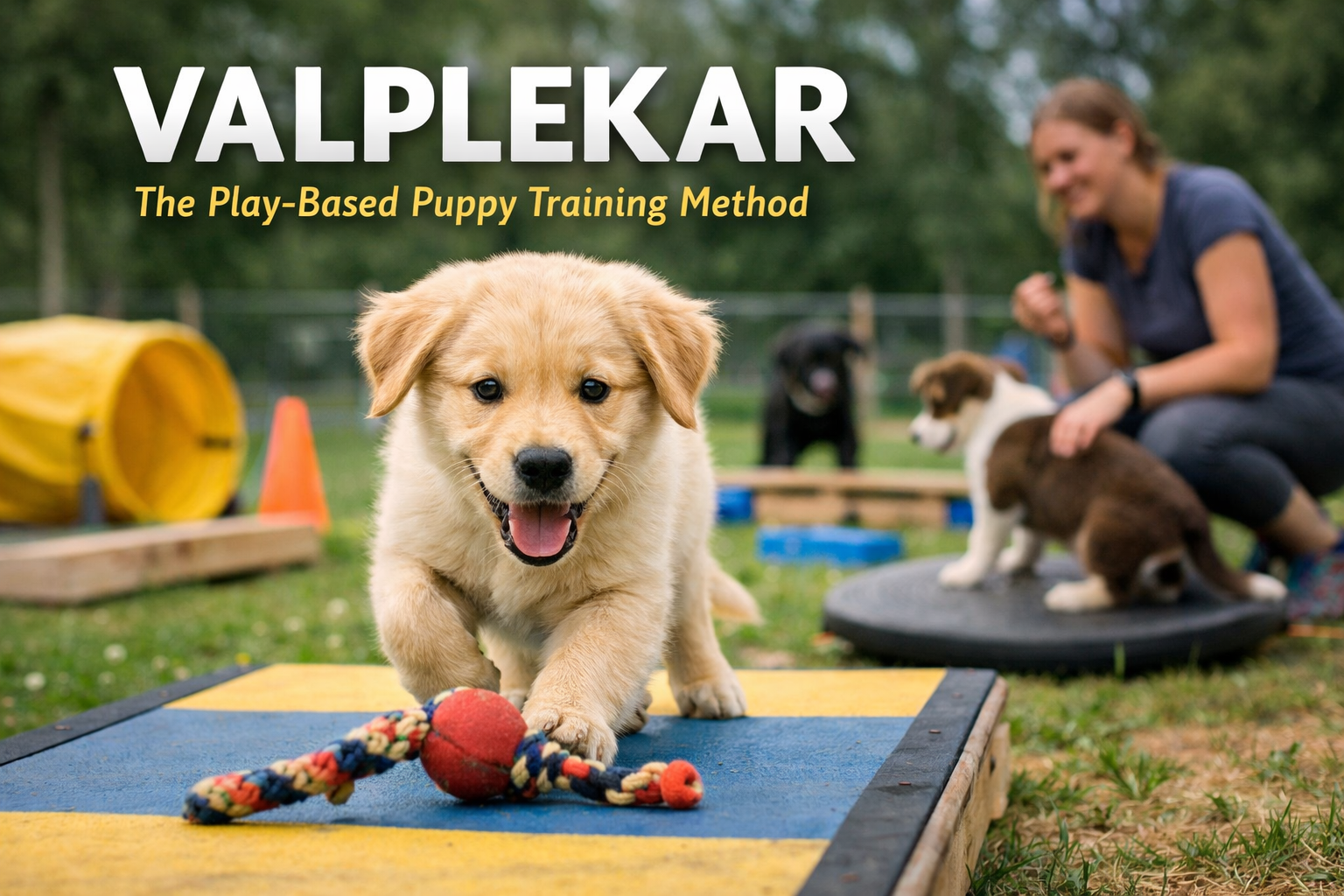
Within the valplekar framework, activities are designed to stimulate both physical movement and mental engagement. Puppies might chase toys, navigate small obstacles, explore unfamiliar objects, or interact with new people. Each interaction teaches them how to process new information without becoming overwhelmed.
The goal is not simply entertainment but adaptation. A puppy exposed to varied yet safe experiences becomes more resilient in adulthood. Instead of reacting with fear or aggression when confronted with new situations, the dog approaches challenges with curiosity and confidence.
The Historical Background of Valplekar
Although the term itself gained wider recognition in recent years, the ideas behind valplekar are rooted in longstanding Scandinavian attitudes toward animal welfare and behavioral science. In many Nordic countries, dog training has historically emphasized cooperation rather than dominance.
Early animal behaviorists in the region observed that young animals naturally learn through exploration and play. Puppies interacting with littermates constantly practice skills such as bite inhibition, body language interpretation, and social negotiation. Trainers realized that replicating similar interactions with humans could accelerate learning and strengthen bonds.
Over time, this observation evolved into a structured philosophy. Instead of separating socialization, exercise, and training into different routines, the valplekar approach integrates them into a single playful experience. Puppies learn commands while chasing toys, develop trust through gentle physical interaction, and build resilience by encountering new environments during guided activities.
The popularity of this method grew alongside increased awareness of animal psychology. Trainers recognized that punishment-based techniques often created fear rather than understanding. Play-based learning, on the other hand, reinforced positive behaviors while preserving the dog’s natural enthusiasm.
As global interest in humane training methods expanded, the concept of valplekar began to attract attention beyond Scandinavia. Dog trainers and behavioral specialists across Europe and North America started incorporating its principles into puppy training programs.
The Science Behind Play-Based Puppy Development
To fully appreciate the value of valplekar, it is important to examine the scientific foundations behind play-based learning in animals.
Neuroscience research shows that play stimulates multiple areas of the brain simultaneously. When a puppy engages in playful exploration, the brain releases neurotransmitters associated with pleasure, learning, and motivation. This combination enhances memory formation, meaning the puppy remembers lessons learned during play more effectively than those taught through repetitive drills.
Play also strengthens motor coordination and spatial awareness. Activities such as chasing, jumping, or navigating obstacles help puppies refine muscle control while developing balance and agility. These physical benefits support long-term health and prevent injuries later in life.
Equally important is emotional development. During playful interactions, puppies encounter mild challenges—such as solving a puzzle toy or navigating a new environment. Successfully overcoming these challenges builds confidence and resilience. Instead of avoiding unfamiliar situations, the puppy learns that exploration leads to rewarding outcomes.
Another key benefit involves social learning. Through guided interaction with humans and other dogs, puppies learn to interpret signals such as posture, vocal tone, and facial expressions. These skills are essential for preventing misunderstandings that can lead to aggression or anxiety.
The valplekar philosophy essentially applies these scientific principles in a structured yet enjoyable format. By embedding lessons within playful experiences, trainers harness the natural learning mechanisms already present in a puppy’s brain.
Key Elements That Define the Valplekar Approach
The effectiveness of valplekar lies in the way it blends several developmental elements into a cohesive training philosophy.
One important element is environmental exploration. Puppies exposed to different surfaces, sounds, and objects become more adaptable. Walking across grass, wood, gravel, or carpet teaches them how to adjust movement and maintain confidence in unfamiliar environments.
Another crucial element involves social interaction. Puppies must learn how to behave around people of different ages, other animals, and unfamiliar surroundings. Through playful encounters guided by a trainer or owner, they gradually develop appropriate responses to social cues.
Mental stimulation also plays a central role. Puzzle toys, scent games, and hide-and-seek activities encourage puppies to solve problems independently. These exercises strengthen cognitive abilities and prevent boredom-related behavioral issues.
Physical movement is equally important. Controlled chasing games, gentle tug exercises, and obstacle exploration improve coordination while providing healthy outlets for energy. Instead of suppressing natural instincts, valplekar channels them into constructive activities.
Together, these elements create a balanced training environment where the puppy develops physically, emotionally, and socially at the same time.
How Valplekar Builds Confidence in Puppies
Confidence is perhaps the most valuable outcome of the valplekar method. Dogs that develop strong self-assurance during early life are far less likely to display fear-driven behaviors later.
The process begins with controlled exposure to novelty. Puppies encounter new experiences gradually, ensuring that each situation remains manageable. For example, a puppy might first hear a new sound at low volume while playing with a favorite toy. Once the puppy associates the sound with positive experiences, its fear response diminishes.
Positive reinforcement strengthens this learning process. When a puppy successfully explores a new object or interacts calmly with a new person, the experience becomes associated with reward and safety. Repeating this pattern across different environments gradually builds emotional resilience.
Play also encourages experimentation without fear of punishment. A puppy may try different behaviors during a game—jumping, chasing, or investigating objects. Through gentle guidance, the owner shapes these behaviors into desirable habits.
Over time, these playful lessons accumulate. A dog raised under the valplekar philosophy tends to approach life with curiosity rather than hesitation.
Practical Ways to Apply Valplekar in Daily Puppy Training
Integrating valplekar into everyday puppy care does not require elaborate equipment or complicated techniques. The essence of the method lies in intention and consistency.
Play sessions can incorporate simple activities such as toy retrieval, controlled tug games, or hide-and-seek with treats. Each activity becomes an opportunity to reinforce commands like “come,” “leave it,” or “stay.”
Exploration walks also play a role. Instead of rushing through a walk, the owner allows the puppy to investigate new textures, scents, and sounds. This exposure strengthens sensory awareness while building confidence in unfamiliar surroundings.
Interactive play between puppies is another valuable element when conducted in safe environments. These interactions help puppies learn boundaries, communication signals, and emotional regulation.
Short but frequent sessions tend to produce better results than long, exhausting routines. Puppies have limited attention spans, so several brief play-based lessons throughout the day maintain engagement without causing frustration.
The guiding principle of valplekar is that every playful moment can become a teaching opportunity.
Modern Relevance of Valplekar in Dog Training
Modern dog training increasingly recognizes the limitations of traditional discipline-based methods. Behavioral research consistently shows that fear and punishment create stress responses that hinder learning.
In contrast, play-based approaches such as valplekar align with contemporary understanding of animal psychology. They encourage cooperation rather than submission and transform training into an engaging activity.
This shift reflects broader changes in how humans perceive relationships with animals. Dogs are no longer viewed solely as working companions but as emotional partners within the household. As a result, training methods now emphasize empathy, communication, and mutual trust.
Many professional trainers incorporate valplekar principles into puppy classes and behavioral programs. These sessions often resemble interactive playgrounds where puppies explore obstacles, toys, and social interactions under expert supervision.
The growing popularity of this philosophy suggests that playful learning will continue shaping the future of canine training.
Conclusion
The concept of valplekar represents far more than playful entertainment for young dogs. It embodies a thoughtful philosophy that recognizes how deeply play influences development. By blending exploration, social interaction, mental stimulation, and physical activity, this method creates a learning environment where puppies grow into balanced and confident companions.
Early experiences shape a dog’s lifelong behavior. Puppies exposed to structured play during critical developmental stages build stronger neural connections, healthier emotional responses, and deeper trust with their human caregivers. Instead of relying on rigid discipline, the valplekar approach uses curiosity and engagement to guide behavior naturally.
As scientific understanding of animal behavior continues to evolve, training methods increasingly emphasize cooperation and emotional well-being. Within this landscape, valplekar stands out as a practical and compassionate framework for raising well-adjusted dogs.
Ultimately, the philosophy reminds us that learning does not have to feel like work. When guided thoughtfully, play becomes the most powerful teacher a puppy can have.
FAQs
1. What does the term valplekar mean?
The word valplekar originates from Swedish and translates to “puppy play.” It refers to a structured approach that uses play as a primary method for puppy development and training.
2. At what age should valplekar activities begin?
Valplekar activities are most effective during the early developmental stage between three and sixteen weeks of age, when puppies are highly receptive to learning through exploration.
3. How does valplekar differ from traditional puppy training?
Traditional training often relies on repetition and commands, while valplekar integrates learning into playful activities that encourage natural curiosity and positive reinforcement.
4. Can valplekar help prevent behavioral problems?
Yes. By exposing puppies to varied experiences in a positive way, valplekar helps build confidence and social skills, reducing the likelihood of fear-based aggression or anxiety.
5. Do professional trainers use valplekar techniques?
Many modern trainers incorporate principles similar to valplekar, especially in puppy socialization classes where guided play is used to teach essential behavioral skills.

Introduction
Across cultures and languages, certain words resist simple definitions. They carry layers of meaning shaped by tradition, philosophy, and the lived experiences of communities. One such intriguing concept is çievri. While the word may not appear frequently in mainstream discussions, it reflects a deeper understanding of balance, continuity, and transformation within human societies.
The idea behind çievri goes beyond a literal translation or a rigid definition. It operates more like a cultural lens through which people interpret change, harmony, and cycles of existence. In many interpretations, the concept represents the natural rhythm that connects human behavior, community structures, and environmental patterns.
Understanding çievri requires stepping outside narrow definitions and exploring its symbolic significance. It has been associated with philosophical reflection, cultural continuity, and even modern interpretations that adapt the idea to contemporary life. In essence, çievri reflects the human effort to make sense of movement, change, and equilibrium in an ever-shifting world.
What Is çievri
The term çievri is often described as a symbolic concept tied to cycles, balance, and the natural flow of life rather than a strictly technical definition. It represents the idea that life, culture, and nature operate in repeating patterns that sustain continuity over time.
Unlike words that belong to a single discipline, çievri bridges multiple areas of thought. It can be interpreted as a philosophical notion about harmony, a cultural metaphor for renewal, or a reflection of how societies adapt to constant change. In this sense, çievri acts as a conceptual framework rather than a fixed rule.
The depth of the concept lies in its flexibility. Rather than describing one specific process, çievri expresses the dynamic relationship between transformation and stability. Every ending becomes the beginning of something new, and every shift contributes to a larger pattern of continuity.
This understanding makes çievri particularly powerful as a cultural symbol. It encourages people to view life not as a linear journey but as an evolving cycle where experiences, traditions, and knowledge continuously reshape themselves.
The Historical and Linguistic Roots of çievri
To grasp the meaning of çievri, it is useful to consider its linguistic and cultural origins. Although the term is not widely standardized in dictionaries, discussions surrounding it often trace its roots to Turkic linguistic traditions and symbolic cultural expressions.
In many Turkic cultures, words connected to movement, turning, or transformation carry deeper philosophical implications. These expressions often describe cycles found in nature such as seasons, agricultural rhythms, or generational change. Within this context, çievri emerges as a concept that embodies circular motion, continuity, and renewal.
Historically, communities relied heavily on cyclical patterns for survival. Agriculture followed seasonal rhythms, social traditions repeated annually, and cultural knowledge passed from one generation to the next. The idea represented by çievri reflects this worldview, where life is understood through recurring patterns rather than straight progress.
Over time, the meaning of çievri expanded beyond its early cultural associations. Modern interpretations often use the concept as a metaphor for adaptation, resilience, and interconnected systems.
çievri as a Symbol of Natural Cycles
One of the most powerful interpretations of çievri lies in its connection to natural cycles. Human societies have always depended on environmental rhythms, from changing seasons to ecological balance.
The concept highlights how nature operates through repeating patterns rather than permanent states. Day turns into night, winter yields to spring, and ecosystems constantly regenerate themselves. These repeating processes mirror the underlying idea of çievri, where continuity emerges from constant transformation.
Viewing life through the perspective of çievri encourages a deeper appreciation for natural balance. Instead of perceiving change as disruption, it becomes part of an ongoing cycle that sustains life.
Many environmental thinkers have adopted similar perspectives when discussing sustainability. They emphasize systems that renew themselves rather than systems that deplete resources. In this sense, çievri reflects an ancient understanding that modern ecological discussions are only beginning to articulate clearly.
Cultural Interpretations of çievri
Cultural traditions often encode complex ideas through symbols and language, and çievri is a strong example of this phenomenon. In some interpretations, the concept represents the continuity of cultural identity across generations.
Communities maintain their traditions through rituals, storytelling, music, and shared values. These practices form repeating cycles that preserve collective memory. Each generation inherits knowledge, reshapes it slightly, and passes it forward again. This process reflects the essence of çievri.
In this context, the concept becomes a cultural mechanism for stability. It allows societies to evolve without losing their core identity. New ideas are absorbed into existing traditions rather than replacing them entirely.
Because of this symbolic depth, çievri has occasionally been used in artistic and philosophical discussions. Writers and thinkers sometimes reference it to describe the tension between preservation and transformation.
The Philosophical Dimensions of çievri
Philosophically, çievri offers a framework for understanding life’s unpredictability. Instead of viewing events as isolated moments, it suggests that experiences form interconnected loops of cause and effect.
This perspective aligns with several philosophical traditions that emphasize cycles rather than linear progress. Ancient civilizations often believed that history repeated itself, while modern thinkers sometimes describe social change as waves that rise and fall over time.
Within this framework, çievri becomes a way to interpret personal growth as well. Success, failure, learning, and renewal follow patterns that resemble cycles rather than straight paths.
A person may experience setbacks, but those setbacks become part of a larger progression toward understanding. The idea encourages patience and resilience because it recognizes that every phase of life eventually shifts into another.
çievri in Contemporary Interpretations
While çievri carries traditional symbolism, modern interpretations have expanded the concept into new contexts. Some discussions explore how it relates to education, communication, and creative expression in contemporary society.
In these interpretations, çievri represents the continuous exchange of knowledge and ideas between individuals and communities. Learning is no longer a one-directional process but a cycle of interaction, reflection, and innovation.
Creative industries also embrace cyclical thinking. Trends evolve, fade, and eventually reappear in new forms. Cultural movements frequently draw inspiration from earlier periods while introducing fresh perspectives.
Within this dynamic environment, çievri symbolizes the way ideas circulate and transform over time.
Why the Concept of çievri Matters Today
Modern societies often emphasize speed, progress, and constant novelty. However, this mindset can sometimes overlook the importance of continuity and balance. The concept of çievri offers a counterbalance to purely forward-focused thinking.
It reminds people that stability emerges from understanding cycles rather than resisting them. Economic systems, cultural movements, and personal experiences all follow patterns that repeat in different forms.
Recognizing these patterns helps individuals make more thoughtful decisions. Instead of reacting impulsively to change, they can view challenges as temporary phases within larger processes.
In this sense, çievri encourages a more reflective approach to life. It promotes awareness of how actions influence long-term cycles within communities and environments.
The Symbolic Power of çievri in Art and Literature
Artists and writers frequently draw inspiration from concepts that capture complex human experiences. çievri provides a particularly rich source of symbolism because it embodies movement, balance, and transformation.
In literature, cyclical themes often appear in narratives where characters revisit similar conflicts across generations. These patterns illustrate how human struggles and aspirations remain consistent even as circumstances change.
Visual artists sometimes explore similar ideas through repeating shapes, circular designs, or evolving patterns that suggest movement. Such artistic expressions mirror the deeper philosophical meaning associated with çievri.
Through these creative interpretations, the concept becomes more than a theoretical idea. It transforms into a tangible representation of how humans perceive continuity and change.
Conclusion
The concept of çievri reveals how language can capture profound insights about life, culture, and nature. Rather than describing a single action or object, it represents a broader philosophy centered on cycles, balance, and renewal.
From its cultural roots to its philosophical implications, çievri highlights the interconnected nature of existence. Every transformation contributes to a larger pattern that sustains continuity over time.
In a world that often prioritizes rapid change, the perspective offered by çievri reminds us that stability does not come from resisting transformation. Instead, it emerges from understanding the rhythms that shape both human societies and the natural world.
Recognizing these cycles allows individuals and communities to adapt more thoughtfully, preserving what matters while embracing necessary change. Through this lens, çievri becomes not just a concept but a meaningful way of interpreting the ongoing flow of life.
FAQs
1. What does the term çievri mean?
The term çievri refers to a symbolic concept associated with cycles, balance, and the natural flow of change within cultural, environmental, and philosophical contexts.
2. Is çievri a widely used word in modern language?
While not commonly used in everyday conversation, çievri appears in discussions related to culture, philosophy, and symbolic interpretations of cyclical patterns.
3. How is çievri connected to nature?
The idea of çievri often reflects natural cycles such as seasonal changes, ecological renewal, and repeating environmental patterns that sustain life.
4. Can çievri be applied to personal growth?
Yes. Many interpretations suggest that çievri represents the cyclical nature of personal experiences, where learning, failure, and renewal form repeating stages of development.
5. Why is çievri considered a philosophical concept?
Because çievri explains life through interconnected cycles and continuous transformation rather than linear progression, it carries philosophical significance in understanding human existence.

Introduction
Michelle Goeringer is a name that has quietly drawn curiosity, especially among those interested in personal stories connected to high-profile families and private individuals who prefer to stay out of the spotlight. While not a mainstream celebrity, Michelle Goeringer has gained attention due to her connection with notable personalities, her professional background, and the way she has maintained a balanced and dignified life away from public noise.
In a world where public exposure often overshadows personal identity, her story offers a refreshing perspective. Readers searching for information about Michelle Goeringer often want to understand not just who she is, but what shaped her life, her career path, and her personal values. This article explores her biography, background, relationships, career insights, and the broader context of her life in a detailed yet engaging way.
People Read this one also: Lucia Loi
Quick Bio of Michelle Goeringer
| Attribute | Details |
|---|---|
| Full Name | Michelle Goeringer |
| Known For | Public interest due to personal associations |
| Profession | Businesswoman / Private professional |
| Nationality | American |
| Marital Status | Previously married |
| Notable Connection | Linked with public figure Rex Ryan |
| Personality | Private, composed, and family-oriented |
Early Life and Background
Michelle Goeringer’s early life remains largely private, which is consistent with her overall approach to public visibility. Unlike many individuals connected to well-known figures, she has never actively sought media attention. This choice reflects a grounded personality shaped by values of privacy, independence, and self-respect.
Growing up in the United States, Michelle Goeringer is believed to have had a fairly typical upbringing. While there is limited publicly available information about her childhood, it’s clear that her formative years contributed to her strong sense of identity and resilience. People who have followed her story often note how she carries herself with quiet confidence rather than public validation.
Her educational background also reflects a practical mindset. She pursued studies that aligned with her professional ambitions, laying a foundation for a stable and independent career. This aspect of her life is important because it highlights that her identity is not solely tied to relationships but also to her personal growth and achievements.
Michelle Goeringer and Rex Ryan: A Notable Relationship
One of the main reasons Michelle Goeringer gained public attention is her past marriage to Rex Ryan, a well-known NFL coach. Their relationship brought her into the public eye, even though she continued to maintain a low profile.
Michelle Goeringer and Rex Ryan shared many years together, building a family and navigating the challenges that come with life connected to professional sports. Being the spouse of a high-profile coach often involves frequent relocations, media scrutiny, and demanding schedules. Despite these pressures, she managed to maintain stability within her family life.
Their marriage eventually ended in divorce, which became a topic of public discussion. However, Michelle Goeringer handled the situation with notable discretion. Instead of engaging in public narratives or controversies, she chose a path of privacy and dignity. This approach earned her respect from those who value emotional maturity and personal boundaries.
Professional Life and Career Insights
While many people search for Michelle Goeringer primarily because of her personal connections, her professional life is equally important. She is known to have worked as a business-oriented individual, with involvement in professional environments that required discipline and strategic thinking.
Her career reflects a strong sense of independence. Unlike individuals who rely on public recognition, Michelle Goeringer built her professional identity through consistent effort and practical decision-making. This aspect of her life often goes underappreciated but deserves attention because it highlights her self-sufficiency.
In many ways, her career journey can be compared to that of countless professionals who balance personal responsibilities with career growth. She represents individuals who quietly contribute to their fields without seeking external validation. This makes her story relatable to a wide audience.
Life Beyond the Spotlight
Michelle Goeringer’s life after her marriage has remained largely private, and that’s exactly how she prefers it. In an age where social media often turns personal lives into public narratives, her decision to stay away from unnecessary exposure is both rare and admirable.
Living a private life does not mean living an uneventful one. In fact, it often allows for deeper personal growth, stronger relationships, and a more grounded perspective. Michelle Goeringer appears to prioritize these aspects, focusing on family, personal well-being, and meaningful connections rather than public attention.
Her lifestyle serves as a reminder that not all impactful lives are lived in front of cameras. Some of the most meaningful journeys happen quietly, away from headlines and public scrutiny.
Personal Traits and Public Perception
People who search for Michelle Goeringer are often curious about her personality. Based on available insights, she is widely perceived as composed, intelligent, and private. These qualities have shaped how the public views her, even with limited information.
She represents a personality type that values substance over attention. In many ways, her approach to life contrasts with modern trends where visibility is often equated with success. Instead, Michelle Goeringer embodies a more traditional perspective where character, resilience, and personal integrity matter more than public recognition.
This perception has contributed to her quiet respect among those who come across her story. Even without a strong media presence, she has managed to leave a positive impression.
Key Life Highlights
- Maintained a private identity despite public curiosity
- Balanced family life with professional responsibilities
- Handled personal challenges with dignity
- Built an independent career path
- Chose privacy over public exposure
Comparing Public vs Private Lifestyles
| Aspect | Public Lifestyle | Michelle Goeringer’s Approach |
|---|---|---|
| Visibility | High media presence | Minimal exposure |
| Privacy | Limited | Strongly maintained |
| Public Opinion | Constant scrutiny | Controlled perception |
| Personal Space | Often compromised | Well-protected |
| Focus | External validation | Internal stability |
Lessons from Michelle Goeringer’s Life
There’s a subtle but powerful lesson in Michelle Goeringer’s story. In a world where many chase visibility, she demonstrates the value of living authentically without external pressure. Her life shows that it’s possible to be connected to fame without being consumed by it.
One can think of her journey like a calm river flowing beside a bustling city. The city represents noise, attention, and constant activity, while the river symbolizes peace, direction, and quiet strength. Michelle Goeringer chose to be the river, steady and grounded, rather than the noise surrounding it.
Her story also highlights the importance of emotional intelligence. Handling personal relationships, especially those in the public eye, requires patience and maturity. She has shown that it’s possible to move forward gracefully without engaging in unnecessary conflict or drama.
Why People Search for Michelle Goeringer
The curiosity surrounding Michelle Goeringer comes from multiple angles. Some people are interested in her connection to Rex Ryan, while others are drawn to her private nature. In a way, her low profile has made her even more intriguing.
There is also a growing interest in individuals who choose privacy over publicity. In today’s digital age, this choice stands out. People want to understand how someone can remain grounded while being indirectly connected to fame. Michelle Goeringer provides a real-life example of this balance.
Conclusion
Michelle Goeringer’s life is a compelling blend of privacy, strength, and quiet resilience. While she may not be a public figure in the traditional sense, her story resonates with many people who value authenticity over attention. From her early life and career to her personal relationships and current lifestyle, she represents a grounded and thoughtful approach to life.
Her journey reminds us that not all meaningful stories are loud or widely known. Sometimes, the most impactful lives are lived quietly, with intention and integrity. For readers, the takeaway is clear: success and fulfillment don’t always require public recognition. Instead, they come from staying true to oneself and maintaining balance in all aspects of life.
Frequently Asked Questions (FAQs)
1. Who is Michelle Goeringer?
Michelle Goeringer is a private individual known for her past marriage to Rex Ryan and her independent professional life. She maintains a low public profile.
2. What is Michelle Goeringer known for?
She is mainly known due to her association with Rex Ryan, but she is also recognized for her private and composed lifestyle.
3. Is Michelle Goeringer active in the public eye?
No, she prefers to stay away from media attention and lives a private life focused on personal and professional priorities.
4. What does Michelle Goeringer do professionally?
She is believed to have a business-oriented professional background, though specific details remain private.
5. Why is Michelle Goeringer gaining attention?
Interest in her stems from her connection to a public figure and her unique choice to remain private in a highly public world.
Read more About aiscoop.co.uk

fsi blogs us: Inside Global Finance Security Insights HubPro

Tiffany Pesci: Inside the Private Life Behind Fame World Arc

mila volovich Uncovering a Quiet Cultural Influence Today!

Shivon Zilis Net Worth Revealed — A Deep Dive into Her Financial Success

Discovering Claire Froggatt: A Journey of Passion, Purpose, and Success