
Celebrity
Kate Connelly: Quiet Strength Behind a Public Culinary Life

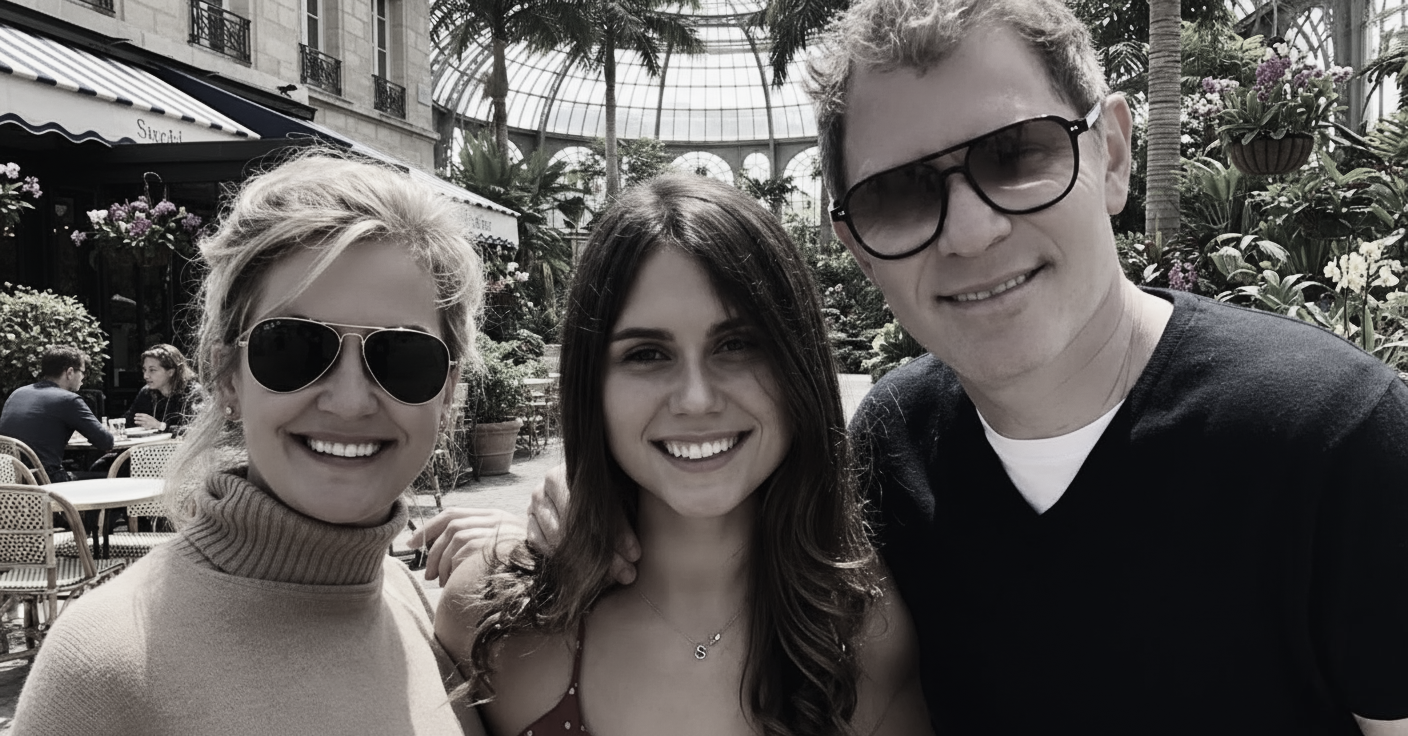
Introduction
Few public figures have managed to maintain dignity, privacy, and quiet relevance as consistently as . Known primarily through her early presence in American food television and her association with a globally famous culinary personality, her story extends far beyond a single chapter of public attention. Kate Connelly represents a rare blend of ambition and restraint, someone who stepped into the spotlight briefly, learned its weight, and then chose a more grounded path. Her life reflects the complexities faced by individuals whose personal identities often become overshadowed by high-profile relationships, yet who continue to shape their own narrative with resilience and intention.
Kate Connelly’s journey is not defined by controversy or constant visibility. Instead, it unfolds through thoughtful career choices, dedication to family, and a deliberate decision to prioritize substance over spectacle. Understanding her life requires patience and nuance, because much of her influence exists outside headlines. This article explores her background, professional evolution, personal philosophy, and the understated impact she has had on culinary media and beyond.
Quick Bio
| Detail | Information |
|---|---|
| Full Name | Kate Connelly |
| Date of Birth | January 21, 1966 |
| Age | 60 years (as of 2026) |
| Profession | Television host, restaurateur |
| Nationality | American |
| Known For | Co-hosting early food television shows and public association with a renowned chef |
| Major Achievements | Early contribution to televised culinary programming, successful private business ventures |
| Net Worth | Estimated in the low seven figures (privately held assets) |
Early Life and Educational Foundations
Kate Connelly was born and raised in the United States during a period when media landscapes were far less saturated than today. Her early environment emphasized independence and curiosity, qualities that would later surface in her professional life. From a young age, she showed interest in communication, food culture, and creative expression. These interests were not cultivated with the intention of fame but rather as natural extensions of her personality.
People Read this one also: Vivian Ridge
Her academic path reflected a balanced combination of structure and creativity. She pursued higher education with a focus on journalism and media-related studies, equipping herself with skills that later proved valuable in front of the camera. What distinguished Kate Connelly during these formative years was her grounded approach. She understood storytelling not as performance alone, but as a means of connection. This philosophy later shaped her on-screen presence, which felt conversational and sincere rather than performative.
Entering Television and Culinary Media
Kate Connelly’s entrance into television occurred during the early growth phase of food-focused programming in the United States. At a time when culinary shows were transitioning from instructional formats to personality-driven storytelling, she emerged as a relatable and engaging host. Her work on food television showcased her ability to translate complex culinary ideas into accessible conversations.
Unlike many hosts who relied heavily on exaggerated charisma, Kate Connelly’s strength lay in authenticity. Viewers responded to her calm confidence and genuine curiosity about food culture. She did not present herself as an authority above her audience but as a participant in the learning process. This approach resonated deeply with viewers seeking substance rather than spectacle.
Her television work also demonstrated her adaptability. She navigated live discussions, interviews, and demonstrations with ease, proving that her skills extended beyond scripted content. While her time in front of the camera was relatively brief compared to long-term television personalities, it left a lasting impression on early culinary broadcasting.
Public Attention and Personal Transition
A significant turning point in Kate Connelly’s public life came through her marriage to a globally recognized chef. This relationship introduced her to a level of visibility that few individuals are prepared for, especially when their own careers are still evolving. Media attention often framed her identity in relation to her spouse, a dynamic that can be both limiting and challenging.
Kate Connelly navigated this period with notable restraint. Rather than leveraging the attention for personal publicity, she maintained a low profile and focused on her private responsibilities. This choice reflected a clear understanding of boundaries, particularly during a time when public narratives can easily overwhelm personal truth.
The eventual end of the marriage marked another transition, one handled with discretion and maturity. She avoided public disputes and refrained from sharing personal grievances, a decision that earned quiet respect even as media curiosity persisted. This phase underscored her preference for stability and emotional intelligence over public validation.
Life Beyond the Spotlight
Following her departure from regular television appearances, Kate Connelly shifted her energy toward private ventures and family life. She became deeply involved in business pursuits connected to food and hospitality, areas where her experience and insight proved invaluable. These ventures were not driven by celebrity branding but by practical understanding and personal interest.
Her role as a mother became central during this period. Balancing professional responsibilities with parenthood required deliberate choices, and she consistently prioritized long-term well-being over short-term exposure. Those close to her have often described her as deeply present and intentional, qualities that shaped her household and professional decisions alike.
Kate Connelly’s ability to step away from public attention without losing relevance speaks to her inner clarity. She did not view visibility as validation, nor absence as failure. Instead, she treated each phase of life as an opportunity for recalibration.
Business Acumen and Quiet Entrepreneurship
While much of Kate Connelly’s post-television life remains private, her involvement in the restaurant and hospitality sector reflects her practical intelligence. She approached business with the same grounded sensibility that defined her media work. Rather than chasing trends, she focused on sustainability, quality, and community engagement.
Her understanding of food culture extended beyond presentation to operations, customer experience, and long-term viability. This holistic perspective allowed her to contribute meaningfully behind the scenes. In an industry often driven by ego and exposure, her low-profile approach proved both refreshing and effective.
Kate Connelly’s entrepreneurial efforts highlight an important lesson: influence does not always require visibility. Impact can occur quietly through thoughtful leadership and consistent values.
Public Perception and Media Legacy
Public narratives often struggle to capture individuals who resist simplification. Kate Connelly has frequently been reduced to a supporting role in someone else’s story, yet her legacy challenges that framing. Those familiar with her work recognize her as an early contributor to a genre that would later explode in popularity.
Her television presence helped normalize conversational food media, paving the way for formats that prioritize personality and storytelling over rigid instruction. Although she did not remain in the spotlight long enough to become a household name, her influence remains embedded in the evolution of culinary programming.
Importantly, Kate Connelly also represents a counter-narrative to celebrity culture. She demonstrates that it is possible to engage with public platforms without becoming consumed by them.
Personal Philosophy and Values
At the core of Kate Connelly’s life choices lies a consistent philosophy centered on balance, integrity, and self-respect. She has repeatedly chosen paths that align with her values rather than external expectations. This internal compass guided her decisions during moments of intense visibility and quiet anonymity alike.
Her emphasis on privacy is not rooted in secrecy but in intentional living. By limiting public exposure, she preserved space for personal growth and meaningful relationships. This approach resonates strongly in an era dominated by constant self-promotion.
Kate Connelly’s story offers reassurance to those navigating visibility in any form. It suggests that stepping back can be an act of strength rather than retreat.
Conclusion
Kate Connelly’s life cannot be understood through a single lens. She is neither defined solely by her television career nor by her association with a famous partner. Instead, she stands as an example of thoughtful evolution, someone who engaged with opportunity, learned from experience, and chose authenticity over applause.
Her journey highlights the value of self-awareness in a world that often rewards noise over nuance. Kate Connelly reminds us that meaningful lives are not always the loudest ones, and that lasting influence often emerges from consistency, humility, and purpose. Her quiet strength continues to define her legacy, making her story both relevant and deeply human.
FAQs
Who is Kate Connelly best known as today?
Kate Connelly is best known as a former television host in early culinary programming and as a private entrepreneur who later chose a life away from constant media exposure.
Did Kate Connelly continue working in television after her early shows?
After her initial success in food television, Kate Connelly gradually stepped away from on-screen roles and focused on private business and family life.
What makes Kate Connelly’s career unique?
Her career stands out because she achieved visibility without relying on prolonged fame, choosing substance, balance, and long-term fulfillment over public attention.
Is Kate Connelly involved in the culinary world today?
While largely private, Kate Connelly has remained connected to food and hospitality through business interests rather than public-facing roles.
Why does Kate Connelly maintain such a low public profile?
Kate Connelly values privacy and intentional living, believing that personal growth and meaningful relationships matter more than continuous visibility.
Read more About Aiscoop.co.uk
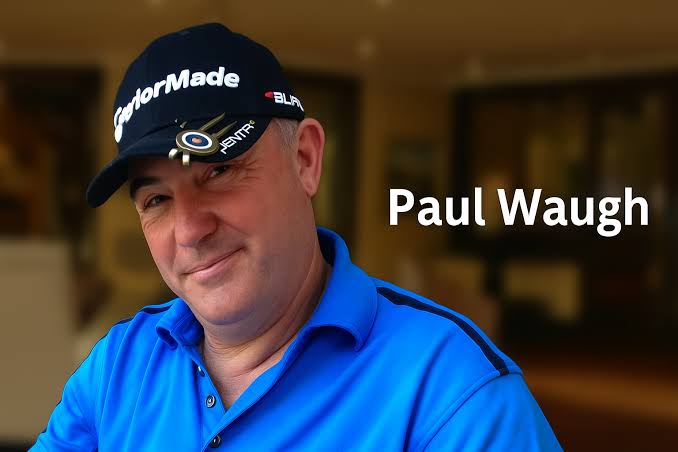
Introduction
In today’s world of personal development, community building and spiritual mentorship, the name Paul Waugh Lighthouse has surfaced repeatedly — both lauded and scrutinised. Whether you’ve heard of him through testimonials of transformation or headlines of controversy, this article offers a comprehensive look at his story, his vision, and the organisation he leads. We aim to bring clarity, insight and context to the phenomenon of Paul Waugh Lighthouse: who he is, why he matters, and what you should know.
As you read, you’ll gain an understanding of not just the surface narrative, but the layers behind it. From his early life and career to the foundation of the organisation, to the criticisms and defences — we’ll explore all perspectives. If you’re searching for trustworthy information about Paul Waugh Lighthouse, you’re in the right place.
Who is Paul Waugh?
Early Life and Background
Paul Stephen Waugh, often associated with the name Paul Waugh Lighthouse, is a British-born figure who has described himself as a mentor, Christian leader and founder of a global community. According to his personal website and related sources, he is the founder and CEO of Lighthouse Global (and formerly of Lighthouse International Group) with a mission to help people “reach their God-given potential.”
Career and Mentorship Philosophy
Paul Waugh positions himself as a “Master Mentor” whose life is interwoven with mentoring others. He states that mentorship is “woven throughout the fabric of my life” and emphasises his belief in combining knowledge, relationships and resources to empower others.
In his own words:
“Bringing knowledge, resources, people and relationships together is something a Master Mentor can do effectively… while helping you learn this skill yourself.”
This statement gives a window into the philosophy of the “Paul Waugh Lighthouse” brand: mentorship not as a one-time transaction, but a life-long process of growth, relationship and value creation.
What is Lighthouse?
The Organisation’s Identity
The term “Lighthouse” in the phrase “Paul Waugh Lighthouse” refers to his organisation — Lighthouse Global (previously Lighthouse International Group) — which presents itself as a global community focused on personal development, leadership, Christian values and mentorship. On its website, the organisation outlines three pillars: serving the body of Christ, helping widows and orphans, and enabling individuals to build human, material and financial value.
Structure & Offerings
Historically, the group offered year-long mentorship programmes, advanced “associate” memberships, community events, coaching calls and deep-dive coaching. While promotional materials emphasise transformation, healing, faith and community, external coverage has raised questions about its practices and governance.
The association of “Paul Waugh Lighthouse” thus conjures not just an individual, but a far-reaching network, a movement of mentorship and a brand with both aspirational promises and contested claims.
The Rise and Reach of Paul Waugh Lighthouse
Expansion & Global Ambition
Paul Waugh’s vision for his “Lighthouse” community is global. On his website, he speaks of “creating a global Groundswell community” and of serving worldwide through Christian-led influence.
Testimonials published on affiliated sites describe members from different continents, finding support, healing and new purpose through the community. One contributor wrote:
“How Paul Waugh and my Lighthouse Global family saved my life.”
Such testimonials contribute to the narrative of Paul Waugh Lighthouse as a powerful, life-changing movement.
Media Attention & Investigation
With growth comes scrutiny. The organisation associated with Paul Waugh has been the subject of investigative journalism, notably in the UK, where the group formerly known as Lighthouse International Group was described as a “business cult” and subject to a winding-up order by the High Court.
This duality — widespread praise from insiders, and sharp criticism from external observers — has shaped the public perception of Paul Waugh Lighthouse in complex ways.
What Supporters Say
Personal Transformation Stories
Many people in the funnel of “Paul Waugh Lighthouse” speak of coming from difficult backgrounds, trauma, or professional stagnation, and emerging with renewed purpose, new relationships and personal growth. The community emphasises “character and competence” growth in the context of Christian faith and value creation
One testimonial detailed how the individual, previously isolated and financially struggling, found a surrogate family, healing from trauma and a renewed sense of meaning through the community.
A Unique Mentorship Model
The mentorship model attributed to Paul Waugh centres around high-engagement, long-term programmes and community support rather than quick fixes. His own statement about mentorship reflects this:
“Mentorship is woven throughout the fabric of my life … Without that weave of human genius and brilliance, my life would be smaller, blander…”
For seekers of deep change, this approach can be compelling — and it fuels the attraction of the “Paul Waugh Lighthouse” brand.
What Critics Raise
Concerns Over Financial and Structural Transparency
The external report on the organisation indicates serious concerns: the UK’s Secretary of State petitioned to wind up Lighthouse International Group Holdings Trading LLP on grounds of non-cooperation, lack of clarity on its activities, and financial transfers to Paul Waugh.
The investigation cast doubt on the model of “Paul Waugh Lighthouse” as purely mentorship and raised red flags about structure, accountability and member risk.
Allegations of Control and Cult-Like Dynamics
Former members told investigators and media outlets that the group exhibited cult-like features: heavy commitment demands, membership levels (“levels” where only senior people reach higher status), and social pressure to conform. Wikipedia
One former member noted that in the system of the group “everyone except Waugh was considered ‘level one’ … Waugh himself was ‘level four’.”
Such settings raise legitimate questions about power dynamics within the “Paul Waugh Lighthouse” environment.
How to Understand the “Paul Waugh Lighthouse” Phenomenon
Applying Critical Thinking Without Dismissing Entirely
It is vital to adopt a balanced perspective: recognise the possibility of genuine benefit for some individuals, while also maintaining healthy scepticism and due diligence. The brand of Paul Waugh Lighthouse spans claims of growth, faith and transformation — but also serious complaints of coercion, expense and opacity.
Key Questions to Ask
If you or someone you know is engaging with Paul Waugh Lighthouse, here are some reflective questions:
- What are the exact terms, fees and commitments of any programme?
- How transparent are the organisation’s governance and financials?
- Are voices of dissent or exit treated respectfully?
- Is the mentorship balanced with independent support and boundaries?
- Are outcomes promised realistic and verifiable, or vague and unproven?
Asking these questions equips someone to engage more safely and wisely with the brand.
Why the Name “Paul Waugh Lighthouse” Resonates
Imagery of Light, Guidance and Change
The combination of the person (Paul Waugh) and the symbol (Lighthouse) is powerful. Lighthouses evoke guiding light in darkness, safe harbour for boats, and a beacon of hope. Thus, the brand of Paul Waugh Lighthouse taps into deep psychological and spiritual resonance: offering guidance, direction, illumination and transformation.
The Personal Brand Meets the Community Model
In the world of personal development, successful brands are often built around a founder’s credibility, story and persona. Paul Waugh anchors the brand with his personal narrative of mentorship, Christian faith and empowerment. By merging his name with “Lighthouse,” the brand emphasises both the individual and the system — making Paul Waugh Lighthouse a shorthand for the founder plus his movement.
Best Practices if You’re Considering Involvement
Do Your Research
Before you commit financially or emotionally, research the organisation behind the name. Check publicly available records (for example, the appointment records for Paul Waugh’s companies).
Review the Contract and Expectations
Ask for full disclosure on fees, contracts, membership upgrades, exit routes, financial obligations, and any psychological or social demands. A transparent organisation will provide these clearly.
Seek Independent Opinions
Look for balanced reviews — both positive and critical. Former members’ voices are especially important. For Paul Waugh Lighthouse, there are both glowing testimonials and rigorous investigations.
Maintain Autonomy
Even when joining a community, maintain your own network, own thinking, and ability to exit if things don’t feel right. Mentoring should enhance your autonomy, not handcuff you to dependency.
The Legacy and Future of Paul Waugh Lighthouse
A Complex Legacy
As of recent years, the legacy of Paul Waugh Lighthouse is unfolding — still emerging and contested. On one hand, many individuals credit the community with deep personal change; on the other, external authorities link the organisation with structural issues and have taken legal steps. The Wikipedia entry for Lighthouse (British organisation) summarises the high court winding-up order and the controversial footprint.
What Comes Next?
For the future of Paul Waugh Lighthouse, several paths are possible:
- Reform and restructuring of the community in transparent ways, building on the good and eliminating the problematic.
- Continued critique and possibly legal remedies if governance issues are substantiated.
- Individuals engaging more cautiously, building hybrid models of mentorship that blend accountability, professionalism and community.
The name “Paul Waugh Lighthouse” might remain significant in niche circles of mentoring and faith-community, or evolve into a more regulated and refined entity.
Frequently Asked Questions (FAQ)
What exactly does “Paul Waugh Lighthouse” mean?
It refers broadly to the mentoring ministry, brand and community established by Paul Waugh, most notably the organisation Lighthouse Global (and historically Lighthouse International Group). It denotes both the person and the system he runs.
Is Paul Waugh a pastor or coach?
He describes himself as founder, CEO and Master Mentor. He emphasises Christian values and spiritual growth, but also entrepreneurship, leadership and mentorship. That blended identity can make him appear as pastor, coach, or business mentor depending on context.
Are there known complaints about the organization?
Yes. Investigations have cited concerns about financial transparency, governance, coercive practices and cult-like dynamics within the organisation associated with Paul Waugh.
Can the mentorship be beneficial?
For some individuals, testimonials claim meaningful transformation. Whether the mentorship is beneficial likely depends on the person, the context, the coach-mentee relationship, the cost, and how well the programme aligns with the individual’s values and needs.
How do I decide if this is right for me?
Reflect on your goals, resources, risk tolerance and whether you’re comfortable with the commitment level. Explore alternatives. Ask questions. Ensure transparency. Return if you feel stuck or unsure.
Final Thoughts
The term Paul Waugh Lighthouse carries weight — as a brand of mentorship, a symbol of faith-based community, and a subject of controversy. Whether you view it as a beacon of hope or a cautionary tale depends largely on your lens and your values. What matters most is that you approach it informed, discerning and with your own compass firmly in hand.
Conclusion
In our search for growth, guidance and transformation, we are drawn to names, brands and faces that promise to lead us forward. Paul Waugh Lighthouse is one of those names. Its narrative is hopeful, offering a promise of light in dark places — yet it demands careful navigation.
As we reflect on the story of Paul Waugh and the movement that bears his name, we hold onto this: mentorship, community and spiritual growth can indeed be powerful. But they flourish best when anchored in transparency, autonomy and healthy boundaries. If you’re curious about Paul Waugh Lighthouse, let your inquiry be both open-hearted and grounded — and may you find the guidance you need, whether within or beyond this movement.
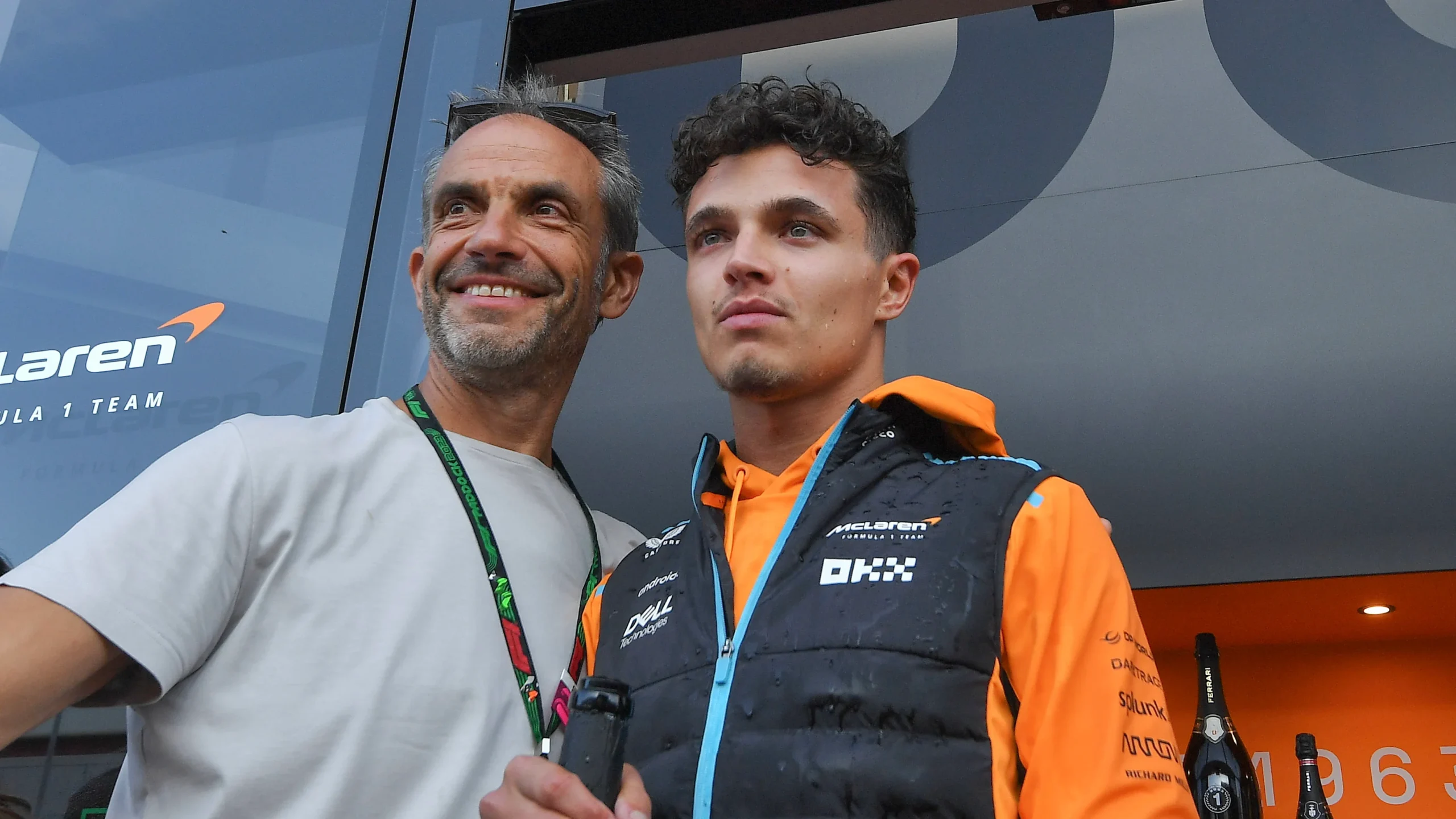
Introduction
In today’s world of rapid innovation and environmental urgency, few individuals embody the spirit of transformation like Adam Norris. With deep roots in finance, a bold leap into sustainable transport, and a personal story tied into the world of Formula 1, he represents a compelling convergence of business acumen, family values and future-facing purpose. This article explores his journey, his major accomplishments, and the lessons we can learn from his experience.
From building Britain’s largest direct-to-consumer pension business to founding a global e-scooter brand, the life of Adam Norris is far from ordinary. Along the way, he has leveraged his expertise to help shape modern mobility, guided by core values and a vision for environmental progress. We’ll examine his background, his entrepreneurial milestones, the impact of his work, and what his story reveals about leadership in the 21st century.
Who is Adam Norris?
Early Life & Financial Roots
Adam Norris hails from Bristol, England, and made his mark initially in the world of financial services. Through his early career in pensions, he demonstrated a capacity for innovation and scale. One profile notes that at age 26 he “set out to sell pensions direct to consumers” — a concept previously uncommon at that scale. Within a relatively short period, this business matured into one of the UK’s largest direct-to-consumer pension retailers.
By age 36, Adam had merged his pension enterprise with backers and listed it on the stock market, a milestone demonstrating both strategic vision and tenacity. His financial success laid the groundwork for his next chapter: turning his attention to building something new, impactful and aligned with a broader mission.
Family, Values and Foundations
Beyond business, Adam Norris is also known as the father of acclaimed F1 driver Lando Norris, which adds a human dimension to his story. He and his long-time partner, Cisca Wauman, have raised a family including siblings of Lando, instilling values of support, discipline and perseverance.
These family ties and personal values underpin much of Adam’s professional ethos—his belief that business can serve beyond profit, influence people’s lives and contribute to something larger than oneself. This mindset becomes particularly evident in his second major career act: entering sustainable mobility.
The Birth of a Mobility Movement
Founding Pure Electric
In 2018, Adam Norris founded Pure Electric, a company dedicated to creating cutting-edge electric scooters and promoting micromobility solutions for modern city life. According to the company website:
“I started Pure Electric to help bring about a personal transport revolution and have a positive impact on the world, benefiting society now and for generations to come.” – Adam Norris
His shift from finance to mobility signals a deliberate pivot: from managing assets to empowering individual movement, from accumulating wealth to shaping cleaner urban transport. The ambition was clear—to build a global brand operating across multiple countries, delivering technology, design and sustainability in one package.
Growth, Innovation & Global Reach
Under Adam’s leadership, Pure Electric expanded into eight countries, launched multiple e-scooter models and collaborated with intersecting disciplines like design, battery technology and user experience. The brand’s philosophy emphasises not just making a scooter, but rethinking how people move in cities—reducing reliance on cars, lowering emissions and giving users a new kind of freedom.
This growth demonstrates Adam’s capacity to combine his earlier business expertise (scale, consumer focus, direct-to-consumer channels) with a purpose-driven mission. It’s this combination of entrepreneurial skill and values-led vision that sets his story apart.
Key Milestones & Achievements
Major Business Milestones
- At a young age, Adam’s pension business became Britain’s largest direct-to-consumer pensions retailer.
- After the IPO and exit from his pension role at age 36, he chose to channel his energy into a more future-oriented enterprise.
- Founding Pure Electric in 2018 and scaling it into a brand present in numerous countries and offering various models of e-scooters.
Personal and Public Recognition
While Adam remains more a behind-the-scenes figure compared to his F1-star son Lando, his achievements are recognised in profiles that link his business acumen, his values and his leadership across sectors. He’s credited for helping build an ecosystem where mobility, technology and sustainability converge.
Impact on Mobility & Sustainability
By entering the electric scooter market at the right moment, Adam positioned Pure Electric to ride the wave of growing urban interest in micromobility. His vision taps into broader trends: cities facing congestion, individuals seeking greener transport, and technology improving battery and vehicle design. In this sense, his work contributes meaningfully to environmental and urban-design challenges.
The Leadership Style of Adam Norris
Visionary yet Grounded
One of the notable characteristics in Adam’s journey is the blend of big vision with grounded operational know-how. He didn’t come into mobility as a tech-gadget enthusiast alone; he brought years of business building, consumer-oriented strategy and a clear sense of how to bring scale. At the same time, he embraced the newer sector with openness and respect for innovation.
Focus on People, Mission & Value
Throughout his story, Adam emphasises purpose: improving city life, creating cleaner transport and enabling users to enjoy simpler, smarter journeys. This orientation toward value beyond pure profit appears in statements like “benefiting society now and for generations to come.” His leadership therefore resonates with stakeholders—employees, consumers, investors—who seek more than transactional relationships.
Adaptability & Risk-Taking
Leaving a successful career in pensions to build something new in mobility required courage. Adam demonstrated a willingness to adapt: leaving comfort zones, re-investing in fresh terrain, and aligning himself with emerging trends rather than resting on past laurels. That kind of adaptability is crucial for modern leaders.
Lessons from the Life & Career of Adam Norris
1. Build on What You Know, then Leap Ahead
Adam’s pivot from pensions to mobility wasn’t random. He took his core skills—building consumer businesses, scaling, designing strategy—and applied them to a new domain. For readers: extract your transferable skills and apply them to the emerging fields you believe in.
2. Embed Purpose in Your Work
The difference between a business and a mission-driven enterprise is subtle but powerful. Adam’s story shows how embedding a purpose (“personal transport revolution”, “positive impact”) resonates with stakeholders and provides clarity when navigating challenges.
3. Embrace the Unknown & Actively Innovate
Rather than waiting for the perfect moment, Adam entered the e-scooter sector at a relatively early stage, researched the gaps, and built a company with a vision. For anyone reading: don’t wait too long for certainty—move when you have conviction.
4. Stay Grounded Through Values
Success often brings distractions. Adam’s grounding in family, in his roots, in supporting his children and investing in long-term change provided him with perspective. For aspiring entrepreneurs: value systems matter—it is harder to sustain success without them.
Why Adam Norris Matters in Today’s World
Reinvention & Legacy
In an era where careers are no longer linear, Adam Norris illustrates how reinvention is possible, even late in a career. His move into mobility shows that building a legacy doesn’t mean one lifetime achievement—it can mean multiple chapters.
Urban Mobility & Environmental Relevance
Cities worldwide are facing pressures: traffic congestion, air pollution, climate change. Through Pure Electric, Adam is engaged in one of the central challenges of our time—how people move. His work therefore intersects with technology, urban design, climate policy and consumer behaviour.
Role Model for Entrepreneurial Transition
For professionals considering a second act, Adam’s journey is an example. You can have success in one domain and still start fresh in another, provided you bring the right mindset.
Common Questions About Adam Norris
Q: What is Adam Norris’ background before Pure Electric?
A: Prior to founding the e-scooter brand, Adam built a large direct-to-consumer pension business in the UK and stepped away after listing the business on the stock market.
Q: Is Adam Norris connected to Formula 1?
A: Yes. He is the father of Lando Norris, the British Formula 1 driver with McLaren F1 Team. His involvement in sports isn’t his primary career, but it is part of his family story and public profile.
Q: What is the mission of Pure Electric under Adam Norris?
A: The mission is to revolutionise personal transport by providing high-quality electric scooters that make city travel cleaner, simpler and more enjoyable. Adam says the aim is “to help people get where they’re going, and make the world a better place along the way.”
Q: What kind of business philosophy does Adam follow?
A: He emphasises combining business performance with purpose, being adaptable, and focusing on solving real problems rather than just making products. His move from pensions to mobility underscores that philosophy.
The Future Ahead for Adam Norris & Mobility
Scaling Up & Global Expansion
As urbanisation and sustainability become ever more central, the demand for micromobility solutions is set to grow. Under Adam’s leadership, Pure Electric has an opportunity to expand further across continents, integrate smarter technologies (batteries, connectivity, data) and influence regulatory frameworks in cities.
Innovation Beyond the Scooter
Mobility isn’t just about vehicles—it’s about ecosystems. For Adam Norris, the future may involve greater integration: data platforms, shared mobility, new infrastructures. His entrepreneurial instincts position him well to lead in these evolving spaces.
Influence & Mentorship
Having achieved significant business success, Adam may increasingly act not just as a founder but as mentor, investor or thought-leader in mobility or entrepreneurship. His story can inspire a new generation of founders who seek both profitability and purpose.
Conclusion
Adam Norris is a figure who bridges two worlds: the traditional world of financial services where he made his early mark, and the emergent world of sustainable mobility where he seeks to leave a new imprint. His journey from building a pensions business in the UK to founding a global-minded e-scooter brand reflects adaptability, ambition and purpose.
For anyone looking for inspiration in entrepreneurship, leadership or reinvention, the story of Adam Norris offers a model: build what you know, leap where you believe, anchor in values and serve something larger than yourself. As cities change, technologies advance and the needs of people evolve, his work suggests that real impact lies at the intersection of vision, execution and heart.
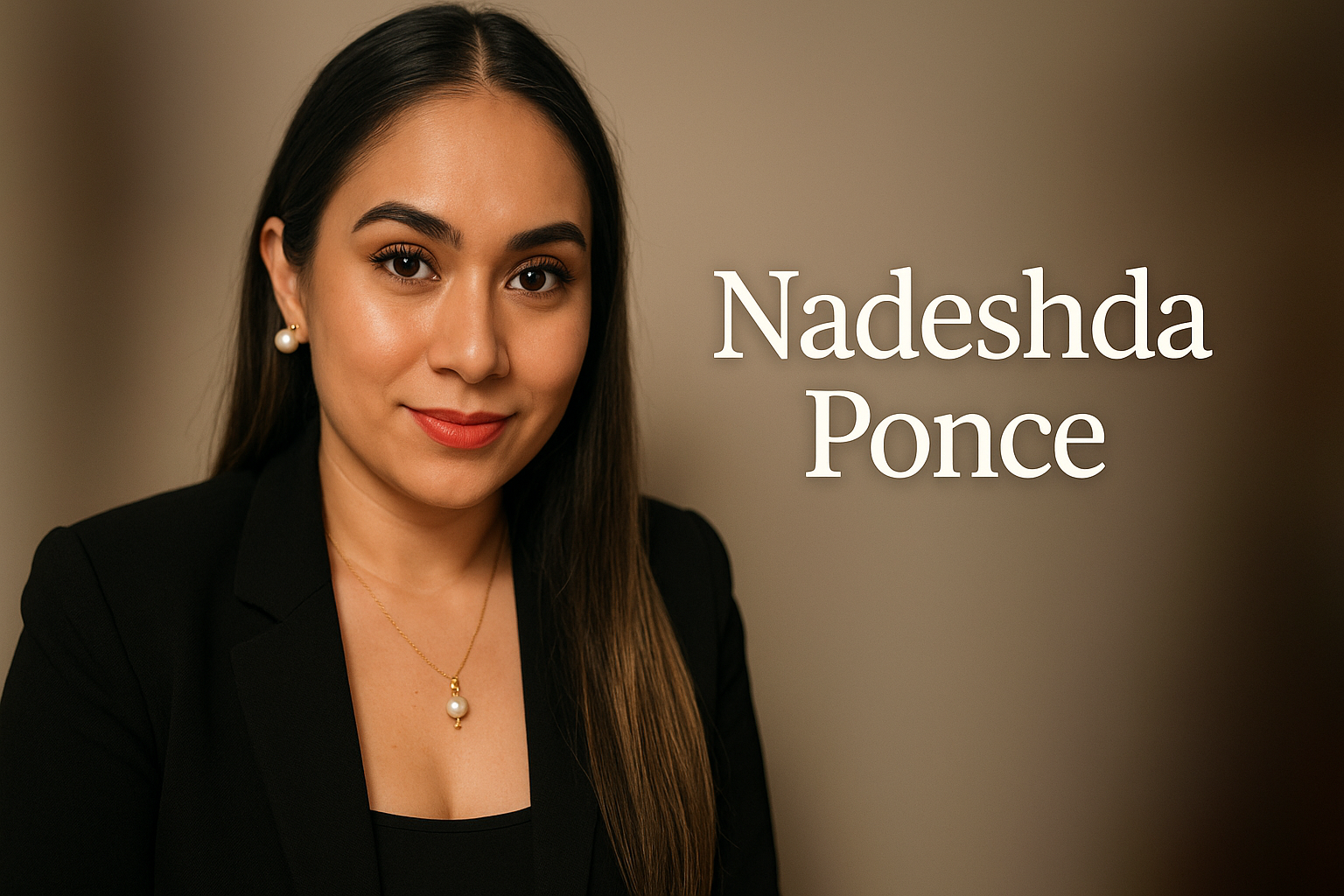
Early Life and Creative Roots
From her earliest days, Nadeshda Ponce found herself drawn to two realms that don’t often intersect: the fluid realm of art, and the grounded world of wellness. Raised in a culturally rich household that nurtured both aesthetic expression and holistic health awareness, she developed an innate sense that creativity and well-being were deeply intertwined. Her formative years were marked by sketching, painting, and observing how colors, textures and forms could echo inner states of being.
That dual interest—of artistic expression and caring for others—later became the foundation of a career that fuses leadership, purpose and innovation.
A Career Across Sectors: From Strategy to Studio
Nadeshda’s professional journey stands out for its breadth. While many people follow a single track, she has traversed the corporate, creative and wellness universes with equal energy.
- In the business domain, she held strategic roles where operational excellence, team leadership and innovation were central. Her tenure in such capacities reflects an ability to translate vision into measurable outcomes.
- Simultaneously, she embraced her artistic side—exploring performance, visual art and installations that invite viewers to reflect on health, identity and transformation.
- On the wellness side, Nadeshda positioned herself as an advocate and creator of experiences that integrate mindfulness, healing and creative self-expression. Her work suggests that art is not only something you view, but something you live.
This multi-dimensional career isn’t by accident: it reflects a belief that meaningful impact comes from breaking down silos—art, wellness and leadership can and should speak to each other.
The Philosophy: Where Art Meets Wellness
At the heart of Nadeshda’s work lies a compelling philosophy: art is not just aesthetic, and wellness is not just functional. Instead, each enriches the other.
She holds that:
- Creative acts—be they painting, movement, or even creative business strategy—can serve as healing practices, inviting reflection and transformation.
- Wellness initiatives gain depth when infused with creative methods—so rather than only focusing on the body and mind in isolation, they become portals for self-expression and meaning.
- Leaders in any field must engage their humanity—the intuitive, imaginative, vulnerable aspects—not only their analytical muscle.
In practice, this means Nadeshda often designs experiences, workshops or programs that engage participants both sensorially and intellectually. The goal is not just “feel better” but “see differently,” and in the process live with more purpose.
Signature Projects & Community Impact
What elevates Nadeshda’s work is her consistent orientation toward community and empowerment — especially through art and wellness. A few highlight areas:
- Workshops and collaborative art-wellness events: She orchestrates safe, inclusive spaces where participants explore their creativity, engage in wellness practices (such as mindfulness, movement, self-care) and connect with others. These sessions often address themes of identity, healing and growth.
- Female-led initiatives: She has shown special interest in empowering women—artists, practitioners, entrepreneurs—to use creative wellness as a platform for leadership and financial independence.
- Cross-sector collaborations: Recognising that social change requires more than one discipline, Nadeshda has partnered with business, health and creative sectors to elevate underserved communities. These efforts reflect her belief that art and wellness are not niche, but universal.
Across these engagements, her impact is felt not only in individual transformation, but in strengthened community bonds—people gathering, sharing, healing and creating something together.
Leadership Style: Authentic, Empathetic, Strategic
What sets Nadeshda apart is her leadership DNA. She doesn’t just deliver the “what” but attends deeply to the “how.” Key hallmarks of her style include:
- Empathy before agenda: She listens, invites voices, and situates herself among the communities she serves—not above them.
- Strategic vision grounded in practice: Although she is artistically inclined, she also thinks in systems, outcomes and sustainability. Her business acumen enables her to scale creative and wellness efforts effectively.
- Integration of self-care into leadership: Nadeshda models that leaders must care for themselves—artistically, mentally, physically—to lead others well.
- Inclusive mindset: She builds spaces for collaboration across backgrounds, disciplines and perspectives, believing innovation comes from diversity of thought and experience.
These traits make her a pivot between boardrooms and studios, clinics and canvases.
Challenges Overcome & Lessons Learned
Like any meaningful journey, Nadeshda’s path has had its hurdles. The unusual blend of art, wellness and leadership means she often operates in spaces without clear maps. She has had to navigate scepticism from traditional business sectors (“what value is art in ROI?”) and from wellness sectors (“do we need more creativity or more clinical rigor?”).
From these challenges, some learned insights emerge:
- Authenticity wins: When she leaned into what truly mattered—creativity + healing—it resonated more strongly than trying to fit into existing molds.
- Flexibility matters: Being comfortable in ambiguity enabled her to link disciplines, pivot when needed, and keep learning.
- Impact is built on relationships: Whether working with participants, community partners, or corporate stakeholders, success came through trust, communication and shared vision.
- Balance is a continual negotiation: Standing at the intersection of art and wellness means balancing the ethereal with the concrete. In her practice, this tension becomes a creative asset rather than a block.
Looking Ahead: Vision for the Future
Nadeshda Ponce’s vision for the coming years is ambitious and rooted in service. Key areas she is focusing on include:
- Global wellness-art platforms: She plans to extend her reach so that creative-wellness practices become accessible across geographies and communities, especially those underserved.
- Digital engagements: Embracing online formats to bring art-infused wellness programs into homes, workplaces and communities beyond traditional studio settings.
- Leadership development: Mentoring emerging leaders—especially women and creatives—who will carry forward the integration of art, wellness and strategic leadership.
- Sustainable business models: Ensuring that the fusion of art and wellness is not just a passion project, but a viable enterprise with measurable impact and growth.
Her commitment is to leave not just a body of work, but a legacy of empowered others who will continue bridging disciplines and forging purpose-led careers.
Why Her Work Matters
In a time marked by fragmentation—of burnout, disconnection, and the compartmentalisation of our lives—Nadeshda Ponce stands as a living example of integration. Her work matters because:
- It challenges the false division between “creative” and “practical,” “art” and “health.”
- It offers a model of leadership that is holistic: one that values human well-being as deeply as bottom-line metrics.
- It gives voice to those seeking more than traditional success: people longing for meaning, connection and self-expression.
- It demonstrates that impact is possible when multiple domains converge—when art meets strategy, wellness meets business, and creativity meets community.
Final Thoughts
Nadeshda Ponce embodies a rare combination: the soul of an artist, the mind of a strategist, and the heart of a healer. Her journey reminds us that bridging art and wellness isn’t luxury—it’s essential. We need experiences that help us feel whole, leaders who honour the full spectrum of human life, and practices that engage not just our minds, but our bodies and spirits.
If you’re seeking inspiration for how to weave creativity and purpose into your own life—professionally or personally—then following her story is a meaningful step. Because in her work we find invitation: to create, to heal, to lead… and to do so with intention and depth.
Paul Waugh Lighthouse: A Deep Dive into the Man and the Movement
Adam Norris: The Visionary Behind Modern Mobility
Nadeshda Ponce: Bridging Art & Wellness with Purpose

Discovering Claire Froggatt: A Journey of Passion, Purpose, and Success
Shivon Zilis Net Worth Revealed — A Deep Dive into Her Financial Success

Andraya Carter Wife: Uncovering the Secrets of Her Journey and Achievements
-
Celebrity3 days ago
Paul Waugh Lighthouse: A Deep Dive into the Man and the Movement
-
Celebrity3 days ago
Adam Norris: The Visionary Behind Modern Mobility
-

 Celebrity3 days ago
Camille Vasquez Net Worth in 2026: Career, Income Sources & Lifestyle
-
Celebrity3 days ago
Nadeshda Ponce: Bridging Art & Wellness with Purpose
-

 Celebrity3 days ago
Sened Teame: The Inspiring Story Behind a Visionary Leader
-
 Celebrity1 week ago
Vivian Ridge: The Quiet Influence Behind an Iconic American Artist
-

 Celebrity1 week ago
Meredith Schwarz: A Resilient Life Beyond the Spotlight
-

 Celebrity1 week ago
Drew Sangster: The Entrepreneurial Heart Behind Family, Business, and Quiet Strength