
Celebrity
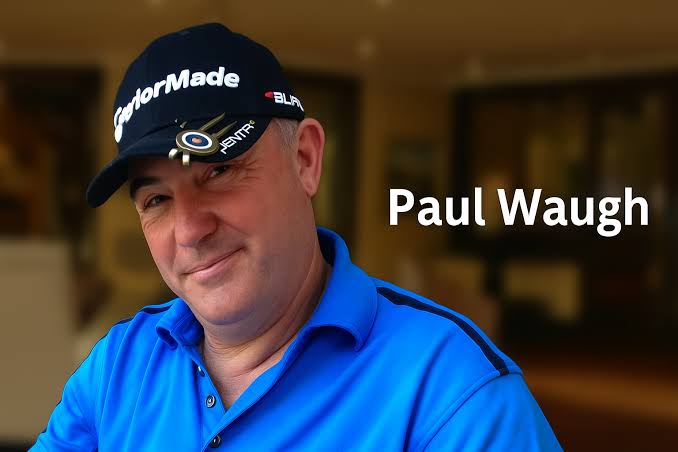
Paul Waugh Lighthouse: A Deep Dive into the Man and the Movement

Introduction
In today’s world of personal development, community building and spiritual mentorship, the name Paul Waugh Lighthouse has surfaced repeatedly — both lauded and scrutinised. Whether you’ve heard of him through testimonials of transformation or headlines of controversy, this article offers a comprehensive look at his story, his vision, and the organisation he leads. We aim to bring clarity, insight and context to the phenomenon of Paul Waugh Lighthouse: who he is, why he matters, and what you should know.
As you read, you’ll gain an understanding of not just the surface narrative, but the layers behind it. From his early life and career to the foundation of the organisation, to the criticisms and defences — we’ll explore all perspectives. If you’re searching for trustworthy information about Paul Waugh Lighthouse, you’re in the right place.
Who is Paul Waugh?
Early Life and Background
Paul Stephen Waugh, often associated with the name Paul Waugh Lighthouse, is a British-born figure who has described himself as a mentor, Christian leader and founder of a global community. According to his personal website and related sources, he is the founder and CEO of Lighthouse Global (and formerly of Lighthouse International Group) with a mission to help people “reach their God-given potential.”
Career and Mentorship Philosophy
Paul Waugh positions himself as a “Master Mentor” whose life is interwoven with mentoring others. He states that mentorship is “woven throughout the fabric of my life” and emphasises his belief in combining knowledge, relationships and resources to empower others.
In his own words:
“Bringing knowledge, resources, people and relationships together is something a Master Mentor can do effectively… while helping you learn this skill yourself.”
This statement gives a window into the philosophy of the “Paul Waugh Lighthouse” brand: mentorship not as a one-time transaction, but a life-long process of growth, relationship and value creation.
What is Lighthouse?
The Organisation’s Identity
The term “Lighthouse” in the phrase “Paul Waugh Lighthouse” refers to his organisation — Lighthouse Global (previously Lighthouse International Group) — which presents itself as a global community focused on personal development, leadership, Christian values and mentorship. On its website, the organisation outlines three pillars: serving the body of Christ, helping widows and orphans, and enabling individuals to build human, material and financial value.
Structure & Offerings
Historically, the group offered year-long mentorship programmes, advanced “associate” memberships, community events, coaching calls and deep-dive coaching. While promotional materials emphasise transformation, healing, faith and community, external coverage has raised questions about its practices and governance.
The association of “Paul Waugh Lighthouse” thus conjures not just an individual, but a far-reaching network, a movement of mentorship and a brand with both aspirational promises and contested claims.
The Rise and Reach of Paul Waugh Lighthouse
Expansion & Global Ambition
Paul Waugh’s vision for his “Lighthouse” community is global. On his website, he speaks of “creating a global Groundswell community” and of serving worldwide through Christian-led influence.
Testimonials published on affiliated sites describe members from different continents, finding support, healing and new purpose through the community. One contributor wrote:
“How Paul Waugh and my Lighthouse Global family saved my life.”
Such testimonials contribute to the narrative of Paul Waugh Lighthouse as a powerful, life-changing movement.
Media Attention & Investigation
With growth comes scrutiny. The organisation associated with Paul Waugh has been the subject of investigative journalism, notably in the UK, where the group formerly known as Lighthouse International Group was described as a “business cult” and subject to a winding-up order by the High Court.
This duality — widespread praise from insiders, and sharp criticism from external observers — has shaped the public perception of Paul Waugh Lighthouse in complex ways.
What Supporters Say
Personal Transformation Stories
Many people in the funnel of “Paul Waugh Lighthouse” speak of coming from difficult backgrounds, trauma, or professional stagnation, and emerging with renewed purpose, new relationships and personal growth. The community emphasises “character and competence” growth in the context of Christian faith and value creation
One testimonial detailed how the individual, previously isolated and financially struggling, found a surrogate family, healing from trauma and a renewed sense of meaning through the community.
A Unique Mentorship Model
The mentorship model attributed to Paul Waugh centres around high-engagement, long-term programmes and community support rather than quick fixes. His own statement about mentorship reflects this:
“Mentorship is woven throughout the fabric of my life … Without that weave of human genius and brilliance, my life would be smaller, blander…”
For seekers of deep change, this approach can be compelling — and it fuels the attraction of the “Paul Waugh Lighthouse” brand.
What Critics Raise
Concerns Over Financial and Structural Transparency
The external report on the organisation indicates serious concerns: the UK’s Secretary of State petitioned to wind up Lighthouse International Group Holdings Trading LLP on grounds of non-cooperation, lack of clarity on its activities, and financial transfers to Paul Waugh.
The investigation cast doubt on the model of “Paul Waugh Lighthouse” as purely mentorship and raised red flags about structure, accountability and member risk.
Allegations of Control and Cult-Like Dynamics
Former members told investigators and media outlets that the group exhibited cult-like features: heavy commitment demands, membership levels (“levels” where only senior people reach higher status), and social pressure to conform. Wikipedia
One former member noted that in the system of the group “everyone except Waugh was considered ‘level one’ … Waugh himself was ‘level four’.”
Such settings raise legitimate questions about power dynamics within the “Paul Waugh Lighthouse” environment.
How to Understand the “Paul Waugh Lighthouse” Phenomenon
Applying Critical Thinking Without Dismissing Entirely
It is vital to adopt a balanced perspective: recognise the possibility of genuine benefit for some individuals, while also maintaining healthy scepticism and due diligence. The brand of Paul Waugh Lighthouse spans claims of growth, faith and transformation — but also serious complaints of coercion, expense and opacity.
Key Questions to Ask
If you or someone you know is engaging with Paul Waugh Lighthouse, here are some reflective questions:
- What are the exact terms, fees and commitments of any programme?
- How transparent are the organisation’s governance and financials?
- Are voices of dissent or exit treated respectfully?
- Is the mentorship balanced with independent support and boundaries?
- Are outcomes promised realistic and verifiable, or vague and unproven?
Asking these questions equips someone to engage more safely and wisely with the brand.
Why the Name “Paul Waugh Lighthouse” Resonates
Imagery of Light, Guidance and Change
The combination of the person (Paul Waugh) and the symbol (Lighthouse) is powerful. Lighthouses evoke guiding light in darkness, safe harbour for boats, and a beacon of hope. Thus, the brand of Paul Waugh Lighthouse taps into deep psychological and spiritual resonance: offering guidance, direction, illumination and transformation.
The Personal Brand Meets the Community Model
In the world of personal development, successful brands are often built around a founder’s credibility, story and persona. Paul Waugh anchors the brand with his personal narrative of mentorship, Christian faith and empowerment. By merging his name with “Lighthouse,” the brand emphasises both the individual and the system — making Paul Waugh Lighthouse a shorthand for the founder plus his movement.
Best Practices if You’re Considering Involvement
Do Your Research
Before you commit financially or emotionally, research the organisation behind the name. Check publicly available records (for example, the appointment records for Paul Waugh’s companies).
Review the Contract and Expectations
Ask for full disclosure on fees, contracts, membership upgrades, exit routes, financial obligations, and any psychological or social demands. A transparent organisation will provide these clearly.
Seek Independent Opinions
Look for balanced reviews — both positive and critical. Former members’ voices are especially important. For Paul Waugh Lighthouse, there are both glowing testimonials and rigorous investigations.
Maintain Autonomy
Even when joining a community, maintain your own network, own thinking, and ability to exit if things don’t feel right. Mentoring should enhance your autonomy, not handcuff you to dependency.
The Legacy and Future of Paul Waugh Lighthouse
A Complex Legacy
As of recent years, the legacy of Paul Waugh Lighthouse is unfolding — still emerging and contested. On one hand, many individuals credit the community with deep personal change; on the other, external authorities link the organisation with structural issues and have taken legal steps. The Wikipedia entry for Lighthouse (British organisation) summarises the high court winding-up order and the controversial footprint.
What Comes Next?
For the future of Paul Waugh Lighthouse, several paths are possible:
- Reform and restructuring of the community in transparent ways, building on the good and eliminating the problematic.
- Continued critique and possibly legal remedies if governance issues are substantiated.
- Individuals engaging more cautiously, building hybrid models of mentorship that blend accountability, professionalism and community.
The name “Paul Waugh Lighthouse” might remain significant in niche circles of mentoring and faith-community, or evolve into a more regulated and refined entity.
Frequently Asked Questions (FAQ)
What exactly does “Paul Waugh Lighthouse” mean?
It refers broadly to the mentoring ministry, brand and community established by Paul Waugh, most notably the organisation Lighthouse Global (and historically Lighthouse International Group). It denotes both the person and the system he runs.
Is Paul Waugh a pastor or coach?
He describes himself as founder, CEO and Master Mentor. He emphasises Christian values and spiritual growth, but also entrepreneurship, leadership and mentorship. That blended identity can make him appear as pastor, coach, or business mentor depending on context.
Are there known complaints about the organization?
Yes. Investigations have cited concerns about financial transparency, governance, coercive practices and cult-like dynamics within the organisation associated with Paul Waugh.
Can the mentorship be beneficial?
For some individuals, testimonials claim meaningful transformation. Whether the mentorship is beneficial likely depends on the person, the context, the coach-mentee relationship, the cost, and how well the programme aligns with the individual’s values and needs.
How do I decide if this is right for me?
Reflect on your goals, resources, risk tolerance and whether you’re comfortable with the commitment level. Explore alternatives. Ask questions. Ensure transparency. Return if you feel stuck or unsure.
Final Thoughts
The term Paul Waugh Lighthouse carries weight — as a brand of mentorship, a symbol of faith-based community, and a subject of controversy. Whether you view it as a beacon of hope or a cautionary tale depends largely on your lens and your values. What matters most is that you approach it informed, discerning and with your own compass firmly in hand.
Conclusion
In our search for growth, guidance and transformation, we are drawn to names, brands and faces that promise to lead us forward. Paul Waugh Lighthouse is one of those names. Its narrative is hopeful, offering a promise of light in dark places — yet it demands careful navigation.
As we reflect on the story of Paul Waugh and the movement that bears his name, we hold onto this: mentorship, community and spiritual growth can indeed be powerful. But they flourish best when anchored in transparency, autonomy and healthy boundaries. If you’re curious about Paul Waugh Lighthouse, let your inquiry be both open-hearted and grounded — and may you find the guidance you need, whether within or beyond this movement.

Introduction
Michelle Goeringer is a name that has quietly drawn curiosity, especially among those interested in personal stories connected to high-profile families and private individuals who prefer to stay out of the spotlight. While not a mainstream celebrity, Michelle Goeringer has gained attention due to her connection with notable personalities, her professional background, and the way she has maintained a balanced and dignified life away from public noise.
In a world where public exposure often overshadows personal identity, her story offers a refreshing perspective. Readers searching for information about Michelle Goeringer often want to understand not just who she is, but what shaped her life, her career path, and her personal values. This article explores her biography, background, relationships, career insights, and the broader context of her life in a detailed yet engaging way.
People Read this one also: Lucia Loi
Quick Bio of Michelle Goeringer
| Attribute | Details |
|---|---|
| Full Name | Michelle Goeringer |
| Known For | Public interest due to personal associations |
| Profession | Businesswoman / Private professional |
| Nationality | American |
| Marital Status | Previously married |
| Notable Connection | Linked with public figure Rex Ryan |
| Personality | Private, composed, and family-oriented |
Early Life and Background
Michelle Goeringer’s early life remains largely private, which is consistent with her overall approach to public visibility. Unlike many individuals connected to well-known figures, she has never actively sought media attention. This choice reflects a grounded personality shaped by values of privacy, independence, and self-respect.
Growing up in the United States, Michelle Goeringer is believed to have had a fairly typical upbringing. While there is limited publicly available information about her childhood, it’s clear that her formative years contributed to her strong sense of identity and resilience. People who have followed her story often note how she carries herself with quiet confidence rather than public validation.
Her educational background also reflects a practical mindset. She pursued studies that aligned with her professional ambitions, laying a foundation for a stable and independent career. This aspect of her life is important because it highlights that her identity is not solely tied to relationships but also to her personal growth and achievements.
Michelle Goeringer and Rex Ryan: A Notable Relationship
One of the main reasons Michelle Goeringer gained public attention is her past marriage to Rex Ryan, a well-known NFL coach. Their relationship brought her into the public eye, even though she continued to maintain a low profile.
Michelle Goeringer and Rex Ryan shared many years together, building a family and navigating the challenges that come with life connected to professional sports. Being the spouse of a high-profile coach often involves frequent relocations, media scrutiny, and demanding schedules. Despite these pressures, she managed to maintain stability within her family life.
Their marriage eventually ended in divorce, which became a topic of public discussion. However, Michelle Goeringer handled the situation with notable discretion. Instead of engaging in public narratives or controversies, she chose a path of privacy and dignity. This approach earned her respect from those who value emotional maturity and personal boundaries.
Professional Life and Career Insights
While many people search for Michelle Goeringer primarily because of her personal connections, her professional life is equally important. She is known to have worked as a business-oriented individual, with involvement in professional environments that required discipline and strategic thinking.
Her career reflects a strong sense of independence. Unlike individuals who rely on public recognition, Michelle Goeringer built her professional identity through consistent effort and practical decision-making. This aspect of her life often goes underappreciated but deserves attention because it highlights her self-sufficiency.
In many ways, her career journey can be compared to that of countless professionals who balance personal responsibilities with career growth. She represents individuals who quietly contribute to their fields without seeking external validation. This makes her story relatable to a wide audience.
Life Beyond the Spotlight
Michelle Goeringer’s life after her marriage has remained largely private, and that’s exactly how she prefers it. In an age where social media often turns personal lives into public narratives, her decision to stay away from unnecessary exposure is both rare and admirable.
Living a private life does not mean living an uneventful one. In fact, it often allows for deeper personal growth, stronger relationships, and a more grounded perspective. Michelle Goeringer appears to prioritize these aspects, focusing on family, personal well-being, and meaningful connections rather than public attention.
Her lifestyle serves as a reminder that not all impactful lives are lived in front of cameras. Some of the most meaningful journeys happen quietly, away from headlines and public scrutiny.
Personal Traits and Public Perception
People who search for Michelle Goeringer are often curious about her personality. Based on available insights, she is widely perceived as composed, intelligent, and private. These qualities have shaped how the public views her, even with limited information.
She represents a personality type that values substance over attention. In many ways, her approach to life contrasts with modern trends where visibility is often equated with success. Instead, Michelle Goeringer embodies a more traditional perspective where character, resilience, and personal integrity matter more than public recognition.
This perception has contributed to her quiet respect among those who come across her story. Even without a strong media presence, she has managed to leave a positive impression.
Key Life Highlights
- Maintained a private identity despite public curiosity
- Balanced family life with professional responsibilities
- Handled personal challenges with dignity
- Built an independent career path
- Chose privacy over public exposure
Comparing Public vs Private Lifestyles
| Aspect | Public Lifestyle | Michelle Goeringer’s Approach |
|---|---|---|
| Visibility | High media presence | Minimal exposure |
| Privacy | Limited | Strongly maintained |
| Public Opinion | Constant scrutiny | Controlled perception |
| Personal Space | Often compromised | Well-protected |
| Focus | External validation | Internal stability |
Lessons from Michelle Goeringer’s Life
There’s a subtle but powerful lesson in Michelle Goeringer’s story. In a world where many chase visibility, she demonstrates the value of living authentically without external pressure. Her life shows that it’s possible to be connected to fame without being consumed by it.
One can think of her journey like a calm river flowing beside a bustling city. The city represents noise, attention, and constant activity, while the river symbolizes peace, direction, and quiet strength. Michelle Goeringer chose to be the river, steady and grounded, rather than the noise surrounding it.
Her story also highlights the importance of emotional intelligence. Handling personal relationships, especially those in the public eye, requires patience and maturity. She has shown that it’s possible to move forward gracefully without engaging in unnecessary conflict or drama.
Why People Search for Michelle Goeringer
The curiosity surrounding Michelle Goeringer comes from multiple angles. Some people are interested in her connection to Rex Ryan, while others are drawn to her private nature. In a way, her low profile has made her even more intriguing.
There is also a growing interest in individuals who choose privacy over publicity. In today’s digital age, this choice stands out. People want to understand how someone can remain grounded while being indirectly connected to fame. Michelle Goeringer provides a real-life example of this balance.
Conclusion
Michelle Goeringer’s life is a compelling blend of privacy, strength, and quiet resilience. While she may not be a public figure in the traditional sense, her story resonates with many people who value authenticity over attention. From her early life and career to her personal relationships and current lifestyle, she represents a grounded and thoughtful approach to life.
Her journey reminds us that not all meaningful stories are loud or widely known. Sometimes, the most impactful lives are lived quietly, with intention and integrity. For readers, the takeaway is clear: success and fulfillment don’t always require public recognition. Instead, they come from staying true to oneself and maintaining balance in all aspects of life.
Frequently Asked Questions (FAQs)
1. Who is Michelle Goeringer?
Michelle Goeringer is a private individual known for her past marriage to Rex Ryan and her independent professional life. She maintains a low public profile.
2. What is Michelle Goeringer known for?
She is mainly known due to her association with Rex Ryan, but she is also recognized for her private and composed lifestyle.
3. Is Michelle Goeringer active in the public eye?
No, she prefers to stay away from media attention and lives a private life focused on personal and professional priorities.
4. What does Michelle Goeringer do professionally?
She is believed to have a business-oriented professional background, though specific details remain private.
5. Why is Michelle Goeringer gaining attention?
Interest in her stems from her connection to a public figure and her unique choice to remain private in a highly public world.
Read more About aiscoop.co.uk
Introduction
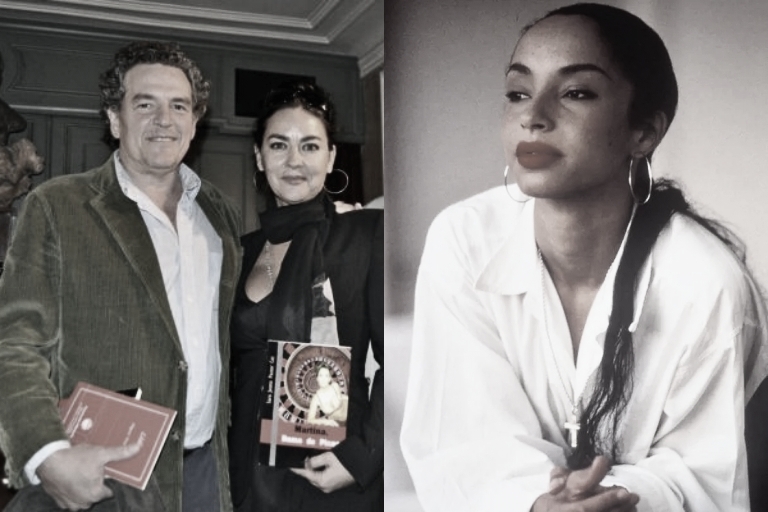
Carlos Scola Pliego is a name that quietly surfaces in conversations about cinema, relationships, and lesser-known figures connected to public personalities. While not a widely documented celebrity, Carlos Scola Pliego has drawn attention due to his personal and professional associations, leaving many curious about his background, career path, and life story. This article takes a deep, thoughtful look at who he is, what is known about his work, and why interest in his life continues to grow. By the end, you’ll have a clearer understanding of his identity, influence, and the subtle ways individuals like him shape narratives behind the scenes.
People Read this one also: Mark Spaeny
Quick Bio Overview of Carlos Scola Pliego
| Field | Details |
|---|---|
| Full Name | Carlos Scola Pliego |
| Nationality | Spanish (reported) |
| Profession | Film professional / creative role |
| Known For | Association with public figures |
| Industry | Film and media |
| Public Presence | Limited / low-profile |
This snapshot provides a starting point, but his story extends beyond basic facts. Let’s explore deeper layers of his life and relevance.
Early Life and Background
Little publicly verified information exists about Carlos Scola Pliego’s early years, which adds to the intrigue surrounding him. Unlike mainstream figures who grow up in the spotlight, his formative years appear to have unfolded privately. This lack of documented history often leads to speculation, but it also highlights a broader truth: not everyone connected to public life seeks visibility.
Growing up in Spain, it is believed that Carlos developed an interest in the arts early on. Spain’s rich cinematic culture, influenced by directors like Pedro Almodóvar, may have played a role in shaping his creative perspective. While there is no detailed record of his education, individuals in similar fields often pursue studies in film, literature, or visual storytelling.
What makes his background compelling is not just what is known, but what remains unspoken. This silence creates space for curiosity and encourages deeper exploration into his contributions rather than just his biography.
Career Path and Professional Work
A Creative Role Behind the Scenes
Carlos Scola Pliego is often associated with the film industry, though not as a mainstream actor or public-facing personality. His work is believed to involve behind-the-scenes contributions, possibly in production, direction, or creative development.
Professionals like him play a crucial role in shaping stories that audiences eventually see. They may not receive widespread recognition, but their input influences tone, structure, and storytelling depth. In many cases, these contributors are the backbone of meaningful cinematic experiences.
Understanding His Industry Position
| Aspect | Insight |
|---|---|
| Visibility | Low public exposure |
| Role Type | Creative / production-related |
| Industry Impact | Subtle but meaningful |
| Recognition Level | Limited outside niche circles |
| Working Style | Likely collaborative and project-based |
In creative industries, not every contributor seeks fame. Some prefer to focus purely on craft, allowing their work to speak indirectly through larger projects. Carlos Scola Pliego seems to fit this pattern.
Connection to Public Figures
One of the main reasons people search for Carlos Scola Pliego is his connection to well-known personalities. These associations often spark curiosity, especially when the individual maintains a low public profile.
Relationships—whether professional or personal—can significantly influence how someone is perceived. In his case, such connections have brought intermittent attention, even though he has not actively pursued public recognition.
This dynamic reflects a broader cultural pattern. When someone is linked to a public figure, their identity often becomes a subject of interest, even if they prefer privacy. Carlos Scola Pliego represents this intersection between public curiosity and personal discretion.
Why Carlos Scola Pliego Draws Attention
The Appeal of Mystery
In a world where most people share their lives online, mystery has become rare. Carlos Scola Pliego stands out precisely because so little is publicly available about him. This scarcity of information creates intrigue and encourages people to search for answers.
Psychologically, humans are drawn to incomplete narratives. When details are missing, the mind tries to fill in the gaps. That’s one reason why his name continues to appear in searches and discussions.
Contrast with Modern Celebrity Culture
Today’s celebrities often maintain a constant presence on social media. They share daily updates, opinions, and personal moments. In contrast, Carlos Scola Pliego represents an older, more reserved approach to public life.
This contrast makes him even more interesting. He embodies a quieter era where professionals could contribute significantly without becoming public figures themselves.
The Role of Privacy in Public Interest
Privacy plays a central role in shaping how individuals like Carlos Scola Pliego are perceived. The less someone reveals, the more people want to know. However, this doesn’t necessarily mean that privacy is a disadvantage.
In fact, maintaining a low profile can offer several benefits:
- Greater creative freedom without public scrutiny
- Protection from media pressure
- Ability to focus on meaningful work rather than public image
Carlos Scola Pliego appears to have chosen this path, intentionally or otherwise. His limited public exposure suggests a preference for substance over visibility.
Cultural and Industry Context
To understand Carlos Scola Pliego better, it helps to look at the broader environment he is part of. The European film industry, particularly in Spain, values artistic expression and storytelling depth.
Unlike Hollywood’s star-driven system, many European productions emphasize collaboration. Writers, producers, and creative contributors often work collectively, without one individual dominating the spotlight.
In such an environment, someone like Carlos Scola Pliego can have a meaningful impact without becoming widely known. His role may be subtle, but it contributes to the overall creative process.
Real-World Analogy: The Invisible Architect
Think of a beautifully designed building. Most people admire its exterior and credit the visible figures involved. But behind that structure is an architect whose work shapes every detail.
Carlos Scola Pliego can be compared to that architect. His contributions may not always be visible, but they form part of a larger creative framework. Without such individuals, many projects would lack depth and cohesion.
This analogy helps explain why his role matters, even if it isn’t widely recognized.
Public Curiosity vs. Verified Information
One challenge in discussing Carlos Scola Pliego is separating fact from speculation. Because verified information is limited, rumors can easily fill the gap.
It’s important to approach such topics carefully. Relying only on confirmed details ensures accuracy and avoids spreading misinformation. At the same time, acknowledging public curiosity helps explain why interest in him continues.
This balance between curiosity and credibility is essential when exploring lesser-known figures.
Modern Relevance of Carlos Scola Pliego
Even today, Carlos Scola Pliego remains a subject of interest. His name appears in searches, discussions, and inquiries about connections to the film world.
This ongoing relevance highlights an important point: influence is not always tied to visibility. Some individuals leave an impression through their associations, work, or simply the curiosity they inspire.
In an era dominated by constant exposure, his low-profile presence feels almost refreshing. It reminds us that not all meaningful contributions require public attention.
Key Takeaways About Carlos Scola Pliego
- He is associated with the film industry, likely in a creative or production role
- His public presence is minimal, contributing to ongoing curiosity
- Connections to known figures have increased interest in his identity
- He represents a quieter, more private approach to professional life
- His story reflects the importance of behind-the-scenes contributors
Conclusion
Carlos Scola Pliego remains an intriguing figure precisely because of his subtle presence. While not a household name, his association with creative industries and public personalities has kept interest in him alive. His story highlights the value of individuals who work behind the scenes, shaping outcomes without seeking recognition.
In a world where visibility often defines success, his low-profile approach offers a different perspective. It shows that meaningful contributions don’t always require a spotlight. Sometimes, influence exists quietly, woven into the fabric of larger narratives.
For readers, the key takeaway is simple: not every important figure is widely known, and not every impactful story is fully documented. Carlos Scola Pliego stands as a reminder of that truth.
Frequently Asked Questions (FAQs)
1. Who is Carlos Scola Pliego?
Carlos Scola Pliego is a film-related professional believed to be involved in creative or production work, known mainly through his associations rather than public appearances.
2. Why is Carlos Scola Pliego searched online?
He attracts attention due to his connections with public figures and the limited information available about his personal and professional life.
3. What does Carlos Scola Pliego do professionally?
While exact details are scarce, he is thought to work in the film industry, possibly in a behind-the-scenes creative role.
4. Is Carlos Scola Pliego a public figure?
No, he maintains a low public profile and is not widely recognized as a mainstream celebrity.
5. Why is there limited information about him?
He appears to value privacy, and his work likely does not require public exposure, which keeps his personal details out of the spotlight.
Read More About Aiscoop.co.uk
Introduction
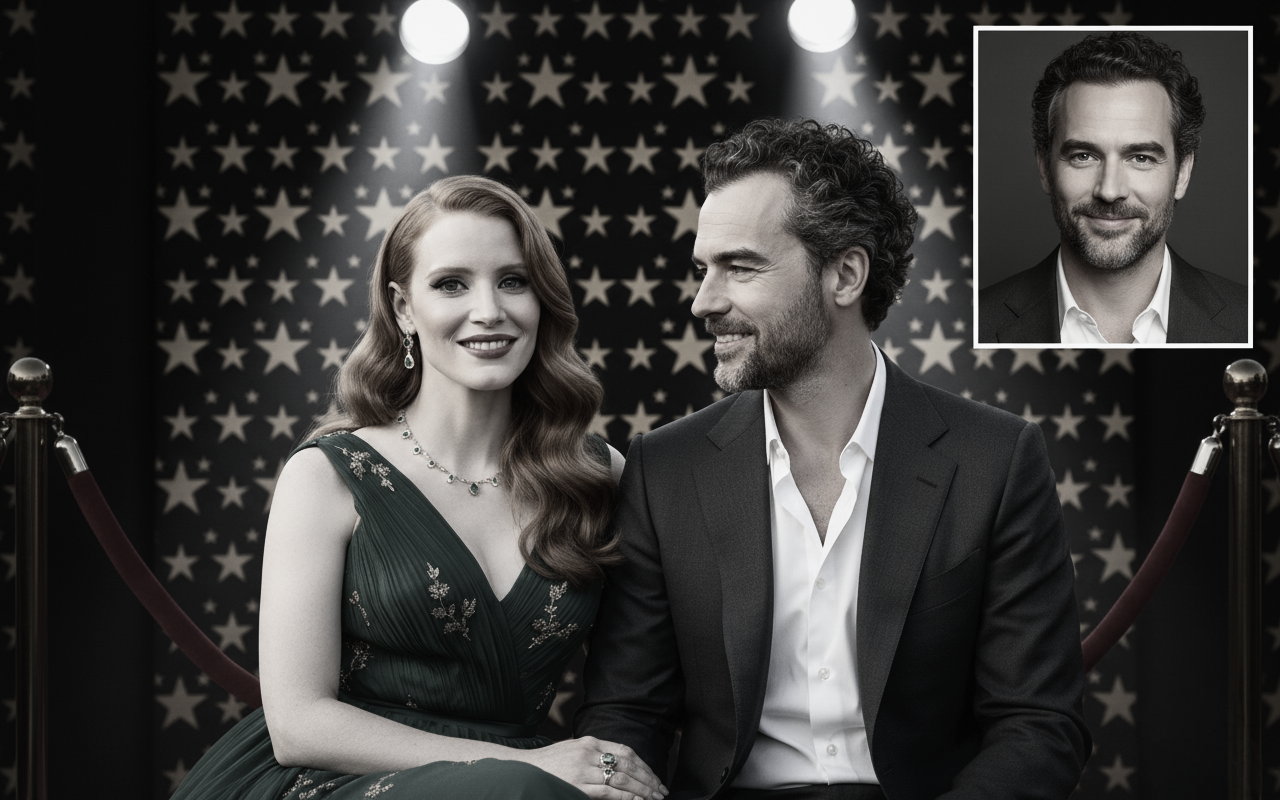
Gian Luca Passi de Preposulo is not just a name tied to elegance and aristocratic heritage—he represents a fascinating blend of tradition, modern business success, and understated influence. Known widely as the husband of Hollywood actress Jessica Chastain, Gian Luca Passi de Preposulo has built a reputation that extends far beyond celebrity associations. His journey through the fashion industry, combined with his noble Italian lineage, creates a compelling story of identity, ambition, and quiet achievement.
This article explores who Gian Luca Passi de Preposulo truly is—from his aristocratic roots and professional milestones to his personal life and values. Readers will gain insight into how he balances heritage with modernity, and why his life continues to intrigue people around the world.
People Read this one also: Paul Waugh Lighthouse: A Deep Dive into the Man and the Movement
Quick Bio of Gian Luca Passi de Preposulo
| Attribute | Details |
|---|---|
| Full Name | Gian Luca Passi de Preposulo |
| Birth Date | November 10, 1982 |
| Age (2026) | 43 years old |
| Birthplace | Italy |
| Nationality | Italian |
| Zodiac Sign | Scorpio |
| Height | 6’1” (185 cm) |
| Profession | Fashion Executive, Businessman |
| Known For | Husband of Jessica Chastain |
| Company | Moncler (Fashion Brand) |
Early Life and Aristocratic Background
Gian Luca Passi de Preposulo was born into one of Italy’s historic noble families, a lineage that traces back centuries. His family is part of the Italian aristocracy, a heritage that carries both prestige and responsibility. Growing up surrounded by history, culture, and tradition, Gian Luca experienced a lifestyle that was both refined and deeply rooted in legacy.
Despite this noble background, his upbringing was not solely about privilege. Italian aristocratic families often emphasize values such as discipline, education, and respect for tradition. Gian Luca was raised with these principles, which later shaped his professional demeanor and personal choices.
His childhood was spent between historical estates and modern urban settings, giving him a unique perspective. This dual exposure helped him understand both tradition and contemporary life—something that would later benefit him in the fast-evolving fashion industry.
Education and Early Career Direction
While details about his formal education remain relatively private, it is widely understood that Gian Luca Passi de Preposulo received a strong academic foundation. His early interests leaned toward business, branding, and luxury culture, which naturally aligned with Italy’s global reputation in fashion.
Instead of relying solely on his family name, he chose to carve his own path. This decision reflects a broader trend among modern aristocrats who seek to define their identity through personal achievement rather than inherited status.
His early career began with roles in the fashion industry, where he quickly developed a reputation for professionalism and insight. These formative years allowed him to understand the mechanics of luxury branding, customer engagement, and market positioning.
Rise in the Fashion Industry
Working with Top Luxury Brands
Gian Luca Passi de Preposulo’s career took a significant leap when he joined renowned fashion houses such as Armani. Working in such an environment requires more than just connections—it demands creativity, discipline, and a deep understanding of global fashion trends.
At Armani, he was involved in high-level operations that required attention to detail and a strong sense of brand identity. This experience helped him build credibility within the industry and expand his professional network.
Later, he became associated with Moncler, a luxury fashion brand known for its high-end outerwear. His role there further solidified his position as a serious professional in the fashion world.
Professional Strengths
His success can be attributed to several key qualities:
- Strong understanding of luxury branding
- Excellent interpersonal and networking skills
- Ability to adapt to changing fashion trends
These strengths have allowed him to maintain relevance in a competitive industry where innovation and consistency must coexist.
Personal Life and Marriage to Jessica Chastain
One of the reasons Gian Luca Passi de Preposulo gained global attention is his marriage to Academy Award-winning actress Jessica Chastain. Their relationship is often described as private, grounded, and deeply respectful.
The couple met through mutual connections in the fashion and film industries. Their relationship developed gradually, away from excessive media attention. This approach reflects their shared preference for privacy and authenticity.
They married in 2017 in a beautiful ceremony held in Italy, reportedly at Gian Luca’s family estate. The wedding was elegant yet intimate, attended by close friends and family rather than being a highly publicized event.
Family Life and Values
Gian Luca Passi de Preposulo and Jessica Chastain have built a family life that emphasizes privacy, stability, and mutual respect. They have children together, though they keep details about their family largely out of the public eye.
This decision highlights a conscious effort to separate personal life from public exposure. In an era where many celebrity couples share everything online, their approach feels refreshing and intentional.
Family values play a significant role in Gian Luca’s life. His aristocratic background instilled a deep respect for heritage, while his modern lifestyle encourages balance and adaptability.
A Unique Blend of Tradition and Modernity
What makes Gian Luca Passi de Preposulo particularly interesting is his ability to bridge two worlds. On one hand, he represents centuries-old Italian nobility. On the other, he operates in one of the most dynamic industries in the modern world.
This balance is not easy to achieve. Tradition often resists change, while modern industries demand constant evolution. Gian Luca manages to honor his heritage while embracing innovation.
This dual identity can be compared to a classic Italian villa updated with modern architecture—it retains its charm while becoming more functional for today’s world.
Public Image and Media Presence
Unlike many individuals connected to Hollywood, Gian Luca Passi de Preposulo maintains a relatively low public profile. He is rarely seen giving interviews or seeking media attention.
This reserved nature contributes to his appeal. In a culture driven by visibility, his preference for privacy creates an air of mystery and authenticity.
His public appearances are usually alongside his wife at major events, where he is often noted for his elegance and composed demeanor. However, he never overshadows the moment, choosing instead to remain supportive and understated.
Career Highlights and Achievements
| Category | Highlights |
|---|---|
| Fashion Career | Worked with Armani and Moncler |
| Industry Reputation | Known for professionalism and discretion |
| Public Recognition | Associated with global celebrity circles |
| Personal Branding | Represents quiet luxury and refinement |
| Cultural Influence | Blends aristocratic heritage with modern life |
Lifestyle and Interests
Gian Luca Passi de Preposulo leads a lifestyle that reflects both sophistication and simplicity. While he has access to luxury, he does not appear to flaunt it excessively.
His interests likely include fashion, travel, art, and cultural experiences—common among individuals connected to both aristocracy and global industries. Italy’s rich cultural environment also plays a role in shaping these preferences.
Travel is an important aspect of his life, especially given his international career and his wife’s work in film. This exposure to different cultures adds depth to his worldview.
Influence Beyond Fame
Although he is not a public figure in the traditional sense, Gian Luca Passi de Preposulo exerts influence in subtle ways. His career choices, lifestyle, and values reflect a modern approach to success—one that prioritizes authenticity over visibility.
He represents a type of success that is not loud but deeply rooted. In a world where attention often defines worth, his story offers a different perspective: that impact can exist without constant exposure.
Lessons from His Life Journey
There are several meaningful lessons that can be drawn from his life:
- Success does not require constant public attention
- Heritage can coexist with modern ambition
- Privacy can be a powerful form of control
His journey shows that identity is not defined by a single factor. Instead, it is shaped by choices, values, and the ability to adapt.
Conclusion
Gian Luca Passi de Preposulo stands as a compelling example of how tradition and modernity can coexist harmoniously. From his aristocratic roots to his successful career in the fashion industry, his life reflects balance, discipline, and quiet confidence.
He is more than just a name associated with celebrity culture. He represents a thoughtful approach to life—one that values privacy, authenticity, and meaningful work. His story reminds us that success does not always need to be loud to be impactful.
For those seeking inspiration, his journey offers a powerful message: stay grounded, honor your roots, and move forward with purpose.
Frequently Asked Questions (FAQs)
1. Who is Gian Luca Passi de Preposulo?
Gian Luca Passi de Preposulo is an Italian fashion executive and businessman, best known for his work with luxury brands and his marriage to Jessica Chastain.
2. What does Gian Luca Passi de Preposulo do for a living?
He works in the fashion industry and has been associated with major brands like Armani and Moncler, focusing on business and brand operations.
3. Is Gian Luca Passi de Preposulo from a royal family?
He belongs to an Italian aristocratic family with a long historical lineage, though not part of a reigning royal family.
4. When did Gian Luca Passi de Preposulo get married?
He married Jessica Chastain in 2017 in a private ceremony held in Italy.
5. Why is Gian Luca Passi de Preposulo famous?
He is known for his career in fashion and for being the husband of an internationally recognized actress, while maintaining a private and refined lifestyle.
Read More About Aiscoop.co.uk

Zytescintizivad Spread: Emerging Risk Signal Framework

Inside arcarrierpoint net: Jobs, Results & Alerts Guide 2026

suhmoraes706: The Story Behind a Rising Online Presence 2026

Discovering Claire Froggatt: A Journey of Passion, Purpose, and Success

Shivon Zilis Net Worth Revealed — A Deep Dive into Her Financial Success

Melinda Trenchard: The Untold Story of Sir Tom Jones’ Lifelong Partner
-

 Tech1 week ago
ClickFor Net: Exploring the Rising Online Platform for Insights and Trends
-

 Celebrity1 week ago
Carlos Scola Pliego: Life, Work, and Public Curiosity
-
 Tech1 week ago
suhmoraes706: The Story Behind a Rising Online Presence 2026
-
 Blogs1 week ago
Inside arcarrierpoint net: Jobs, Results & Alerts Guide 2026
-

 Celebrity1 week ago
Gian Luca Passi de Preposulo: The Private Life of Jessica Chastain’s Husband
-

 Celebrity1 week ago
Michelle Goeringer: Truth Behind Her Private Life
-

 Tech1 week ago
3160965398: Complete Guide to Understanding This Mysterious Number
-

 Blogs1 week ago
what is qixildtop in cleansing: Myth or Method? DeepAnalysis